
2026 Food Manufacturing Trends: Smarter, Greener, and More Connected
The food industry is changing fast — and 2026 is shaping up to be a big year. Between automation, sustainability, and shifting consumer tastes, food manufacturers are being pushed to innovate like never before.
These seven trends are driving the next wave of transformation across the food manufacturing industry — and predicting how you can stay ahead.
1. Digital Transformation, Automation & AI
The smart factory era has arrived.

Manufacturers are investing in AI-powered production systems, connected sensors, and automation tools that help them work faster, smarter, and with less waste. From predictive maintenance to real-time quality control, digital tools are making operations more efficient and more reliable.
We’re also seeing digitalization spread beyond the factory floor. Cloud-based ERP and MES systems are helping companies improve visibility across the entire food supply chain, connecting suppliers, distributors, and data all in one place.
Why now? Labor shortages, tight margins, and market volatility are forcing companies to find smarter ways to scale and technology can now support these efforts. Going digital is the answer.
2. Sustainability & the Circular Economy
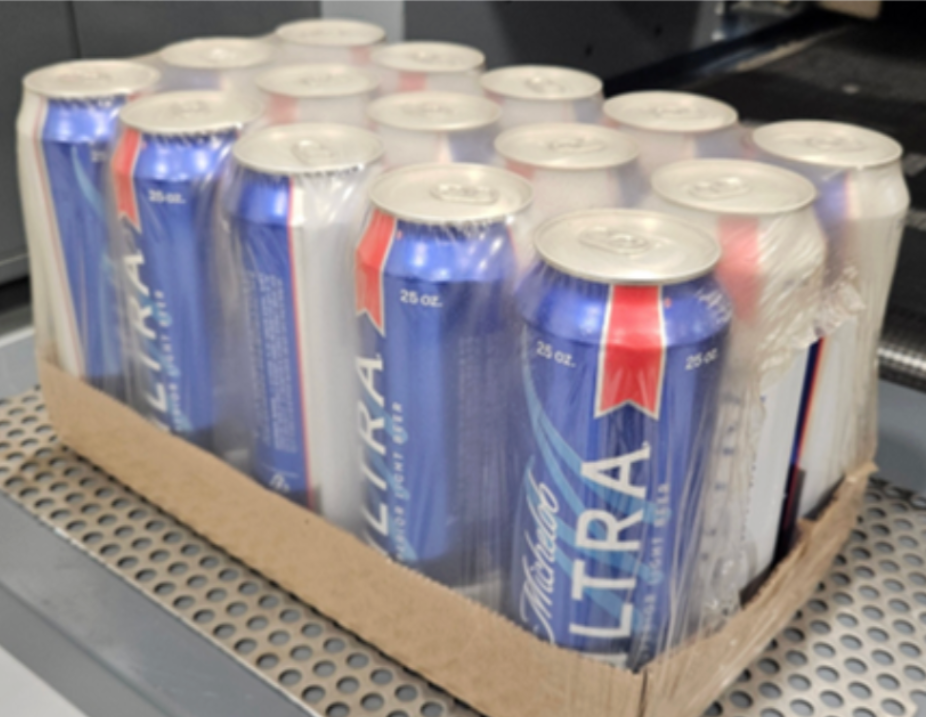
GTF’s RENU™ Drying & Milling System is an ideal solution to upcycle byproducts into high-quality ingredients or sustainable packaging materials.
Sustainability isn’t a nice-to-have anymore — it’s a must.
In 2026, sustainable food manufacturing means rethinking everything from sourcing and packaging to waste management. Brands are focusing on regenerative agriculture, traceable supply chains, and cutting carbon footprints through smarter energy use.
On the packaging front, expect more biodegradable materials, lighter plastics, and innovative designs that minimize waste. At the same time, upcycling and circular economy practices — like turning byproducts into new ingredients — are gaining serious traction.
Consumers are watching, and so are regulators. The most successful food manufacturers are those making sustainability part of their DNA, not just their marketing.
3. Health, Ingredient Transparency & Alternative Proteins
The demand for clean-label foods and ingredient transparency is only getting louder.

Consumers want to recognize what’s in their food, where it came from, and how it’s made. That’s driving manufacturers to simplify recipes, cut additives, and advance traceable ingredient sourcing.
Meanwhile, the plant-based space keeps evolving. It’s not just about imitating meat anymore — it’s about celebrating plants for what they are. Expect more authentic plant proteins, fermentation-based ingredients, and functional foods that support gut health, mood, and immunity.
For producers, that means adjusting manufacturing lines, managing new suppliers, and ensuring compliance with nutrition and labeling regulations — all while keeping up with fast-changing consumer expectations.
4. Traceability, Food Safety & Regulatory Readiness
Food safety is under more scrutiny than ever, and traceability is at the center of it all.
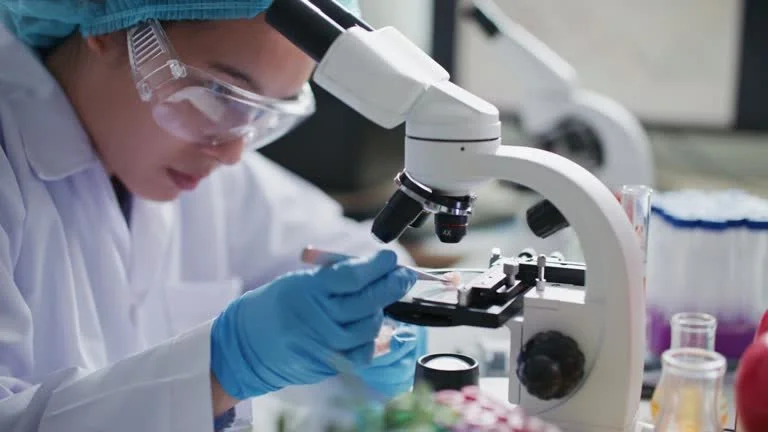
Manufacturers are investing in digital traceability systems that can track ingredients and batches from farm to fork. These tools make it easier to manage recalls, verify sourcing, and stay compliant with new food traceability regulations rolling out across markets.
Beyond compliance, it’s about trust. The brands that can show exactly where their food comes from — and prove its safety — will stand out in 2026.
5. Flexibility, Agility & Consumer-Driven Manufacturing
Consumers are calling the shots — and manufacturers are listening.

Trends come and go faster than ever, so flexible manufacturing is becoming a strategic advantage. Plants need to support smaller batches, faster changeovers, and modular equipment that lets them pivot quickly to new product lines.
Think of it as consumer-driven manufacturing — letting consumers demand and shape what’s made, and how fast it gets to market. Agile production and planning systems make that possible.
6. Packaging Innovation & Equipment Growth
Packaging is getting smarter and greener.

Beyond using sustainable materials, brands are experimenting with active and intelligent packaging: think freshness indicators, smart labels, or embedded sensors that track quality.
This shift is fueling growth in food processing and packaging equipment markets. Manufacturers are updating their production lines and integrating manufacturing execution systems (MES) that sync packaging and food production seamlessly.
In short: packaging isn’t just protecting the product anymore — it’s becoming part of the product experience.
7. Supply Chain & Sourcing Volatility
If the last few years taught the industry anything, it’s that supply chain resilience is everything.
Inflation, energy costs, and labor shortages are still shaping operations. Manufacturers are responding by regionalizing supply chains, diversifying supplier bases, and investing in real-time visibility powered by AI and analytics.
It’s all about agility — being able to shift sourcing strategies quickly when markets, prices, or geopolitics change. The winners in 2026 will be those that can stay flexible without sacrificing reliability or quality.
Wrapping It Up
Companies that embrace AI automation, sustainability, and supply chain agility will be the ones leading the next generation of the food industry. At the end of the day, success in 2026 isn’t just about making more food — it’s about making better food: cleaner, safer, and built for a changing world.
If you’re looking for automated, sustainable, and cost-effective drying methods, shoot us an email (info@gtf-technologies.com) and check out our innovative technology here GTF Technologies.