
Clean Power, Clean Data: How RENU Helps You Thrive Under Cap & Trade
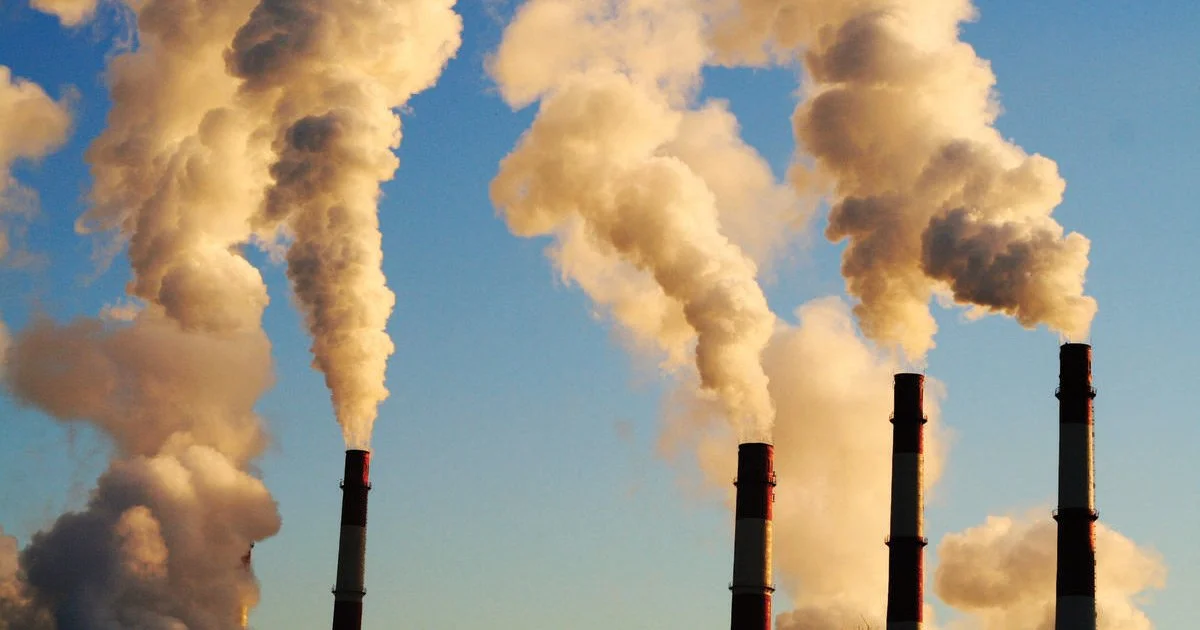
As sustainability regulations tighten, food manufacturers are under increasing pressure to reduce waste, lower emissions, and demonstrate measurable climate impact. One of the biggest opportunities often overlooked is the carbon value locked inside food manufacturing side streams. Instead of sending this material to landfills or low-value disposal pathways, companies can convert it into high-value ingredients—and document significant landfill avoidance along the way.
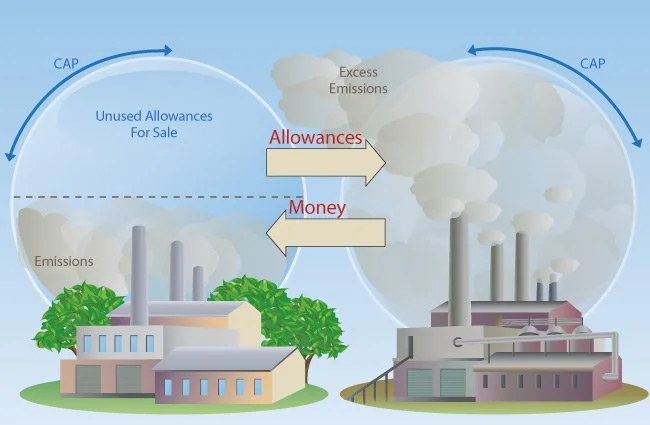
GTF’s RENU™ Drying & Milling System , an all-electric industrial processing technology, powderizes food side streams at the point of generation. By transforming what was once waste into valuable, shelf-stable ingredients, RENU supports circular economy goals, reduces landfill reliance, and creates measurable environmental impact that can be leveraged in cap-and-trade and carbon credit markets.
What the RENU™ System Does
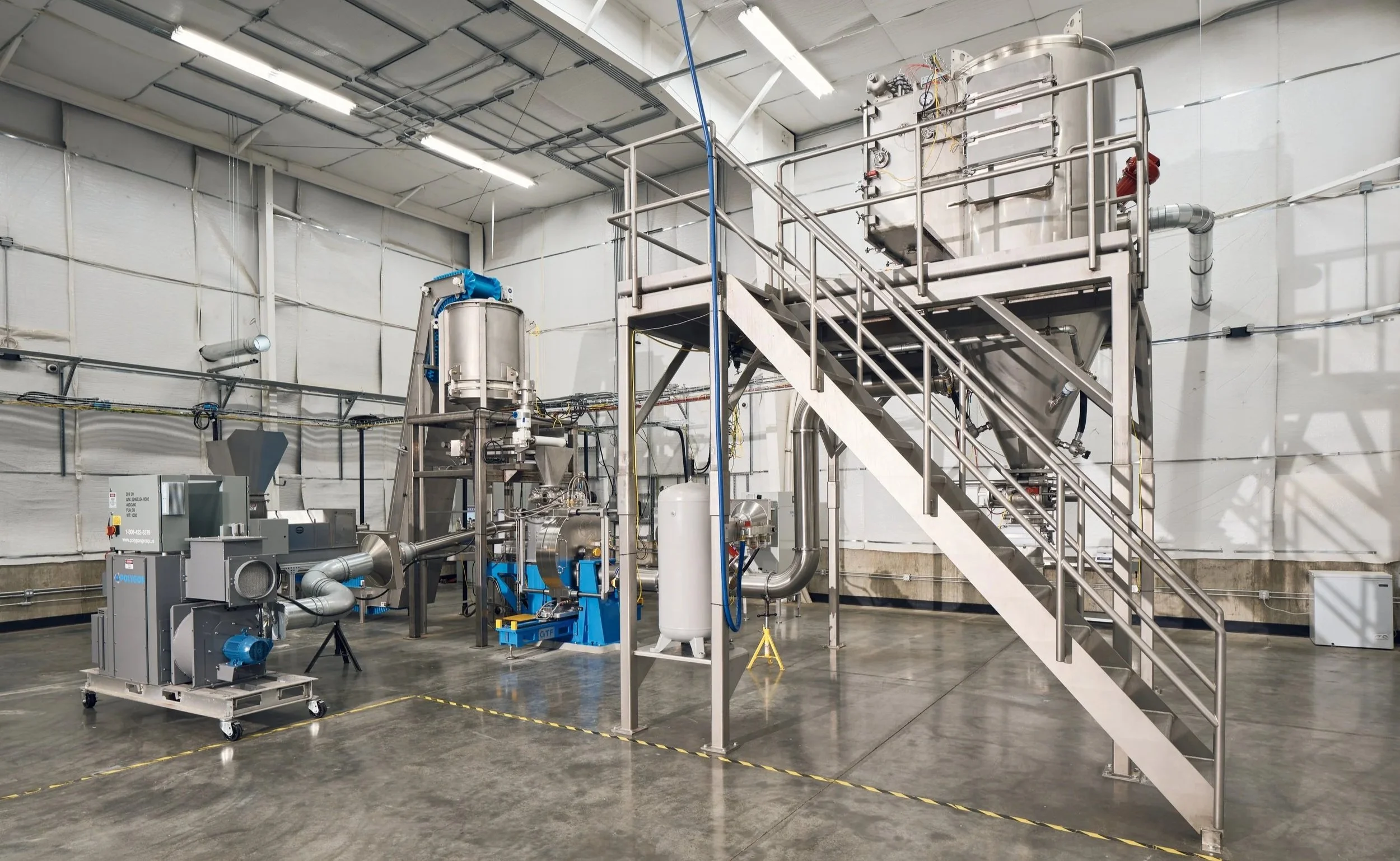
RENU is a system of industrial processing equipment designed specifically for:
Powderizing wet or semi-solid food manufacturing side streams
Stabilizing nutrients and capturing material at peak value
Reducing or eliminating the need for landfill or waste-hauling services for food waste
Mitigating reliance on natural gas for drying
Creating high-value, reusable ingredient powders
Supporting measurable landfill avoidance for ESG and carbon market use
By converting side streams directly on-site—without combustion, gas use, or emissions—RENU gives manufacturers a pathway to zero-waste, low-carbon operations.
The All-Electric Advantage in Cap & Trade States
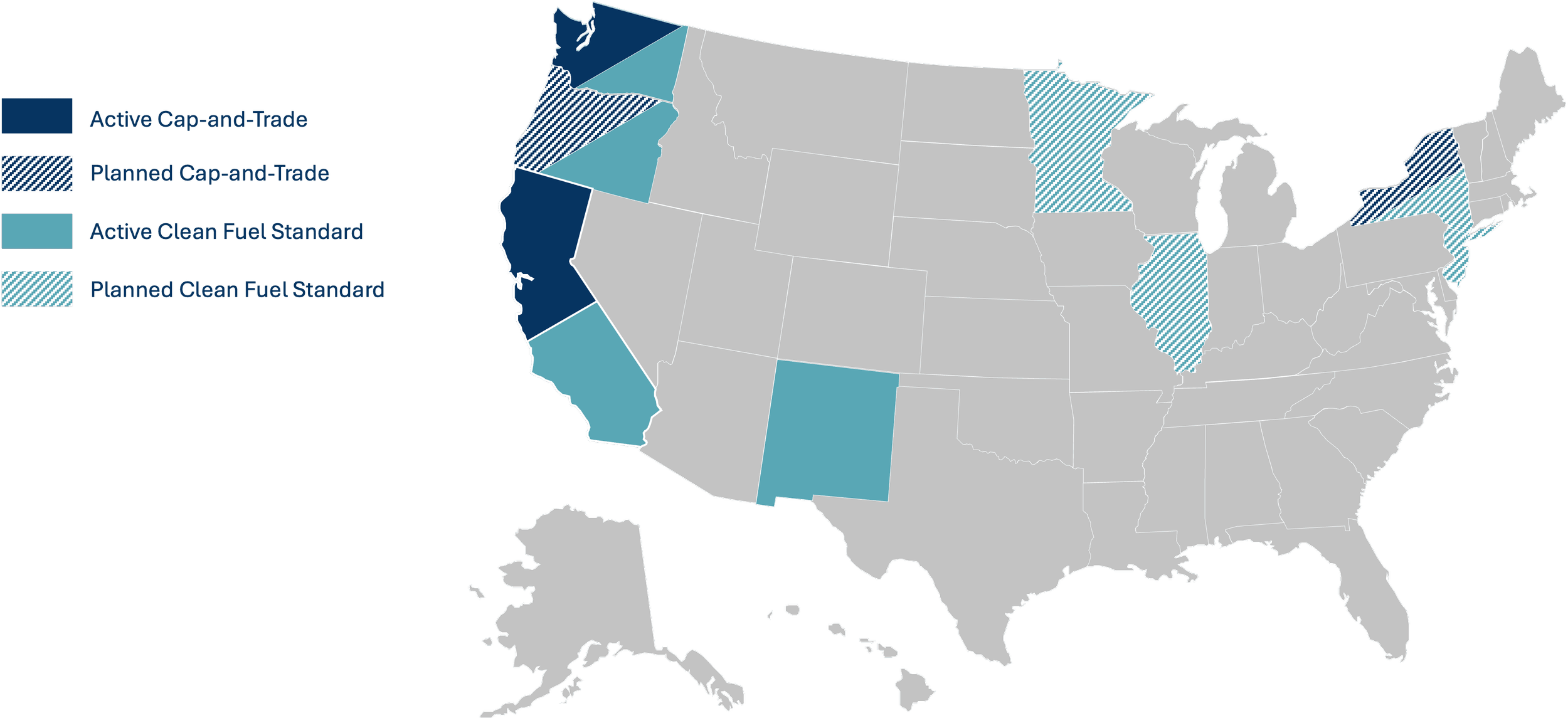
In areas where natural gas is regulated under cap & trade, equipment that relies on gas combustion can increase:
Direct emissions
Compliance obligations
Carbon-related fuel surcharges or shutdowns
Exposure to future regulatory tightening
Because RENU operates entirely on electric power, it provides several advantages:
Zero onsite combustion emissions
No direct cap-and-trade compliance requirements
Reduced operating exposure to natural-gas carbon pricing
Alignment with electrification and decarbonization policy goals
This makes RENU not just a sustainability tool, but a regulatory-savvy choice for food manufacturers in regions with strict energy or carbon rules.
Why Landfill Avoidance Matters in Carbon Markets
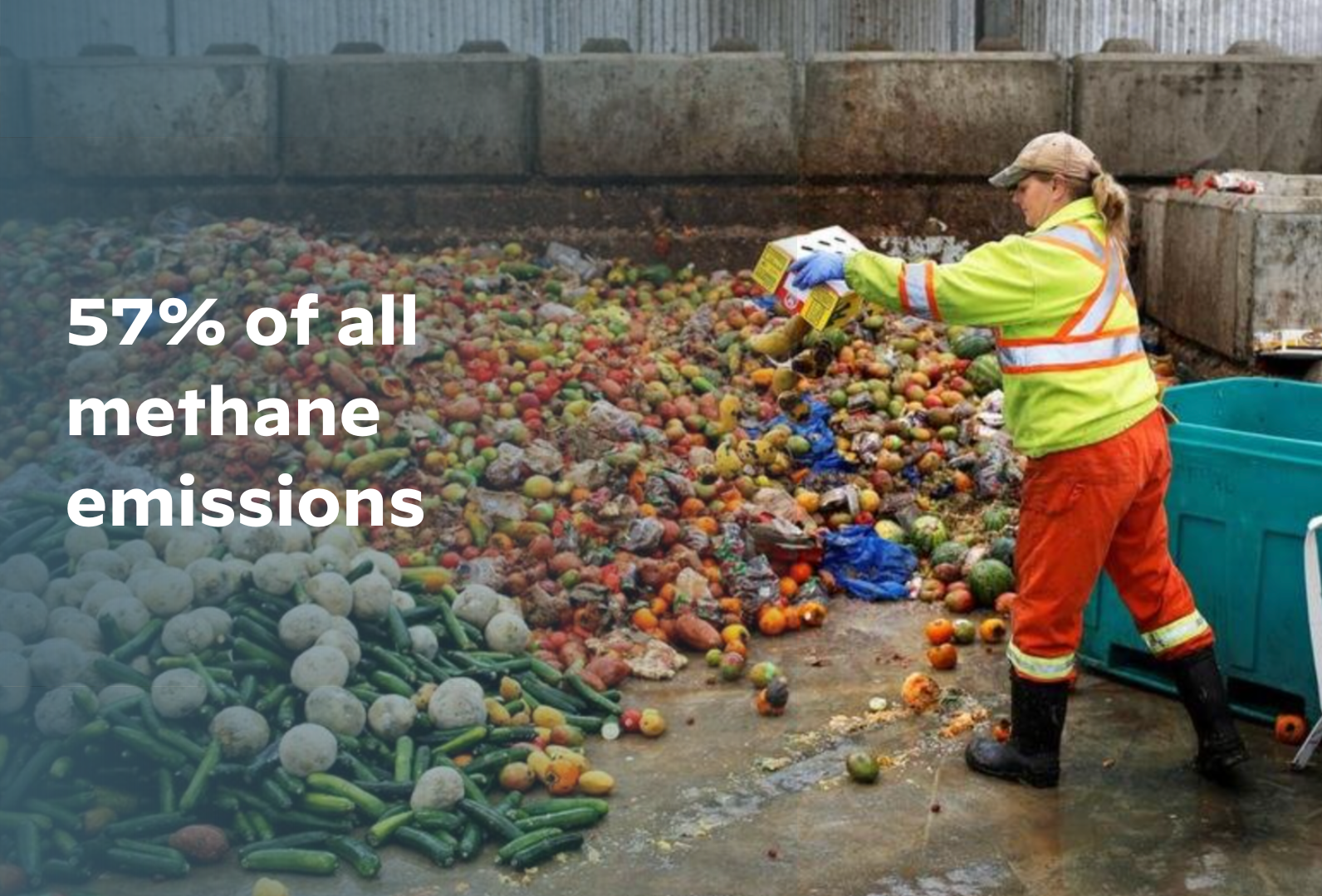
Food waste in landfills accounts for 57% of all methane emissions worldwide—a greenhouse gas significantly more potent than carbon dioxide. When manufacturers divert side streams from landfill through on-site powderization, they support:
Methane avoidance
Reduced landfill dependence
Improved waste-management efficiency
Eligibility for certain carbon offset methodologies
Many carbon markets and offset programs recognize the value of waste diversion, material recovery, and methane avoidance, making RENU a strategic enabler for organizations seeking environmental credit value.
How RENU™ System Supports Cap & Trade and Carbon Credit Generation
1. Measurable Landfill Avoidance
Because the RENU System transforms material physically and immediately, manufacturers can easily quantify:
Total tons of side streams diverted from landfill
Percentage conversion into ingredient-grade powder
Reduction in haul-offs, fuel use, and disposal requirements
These metrics support environmental claims, carbon impact assessments, and participation in waste-based carbon credit pathways.
2. Converting Waste into High-Value Ingredients
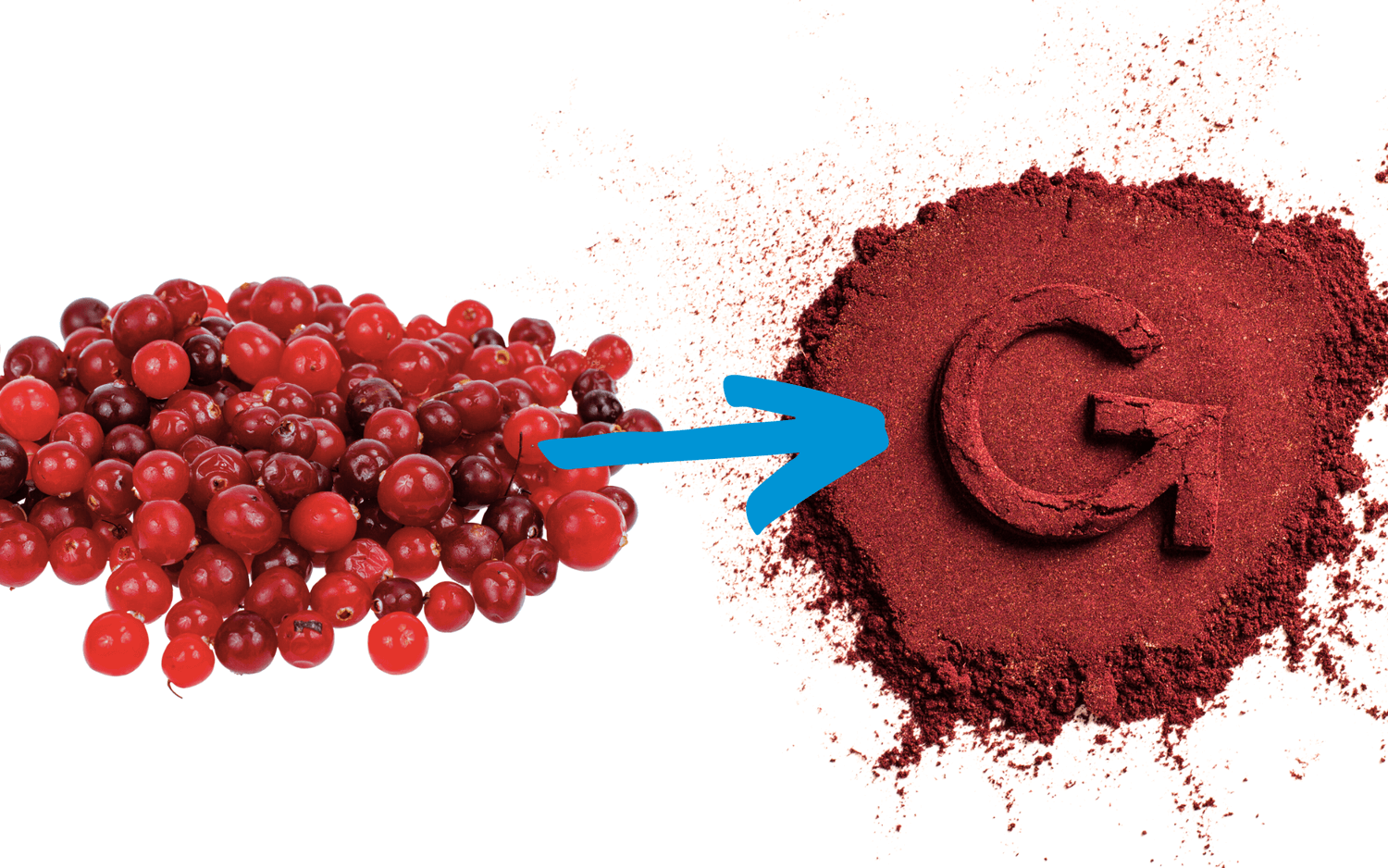
By producing ingredient-ready powders, companies can:
Create new revenue streams
Offset raw material purchases
Improve supply-chain resilience
Reduce environmental impact while increasing profitability
Circular economy outcomes and carbon benefits reinforce one another.
3. Lower Exposure to Compliance Costs
Manufacturers using all-electric processing equipment may:
Avoid on-site emissions reporting
Avoid natural-gas carbon surcharges and shutdowns
Reduce capital risk tied to future fuel regulations
The RENU System positions companies for long-term regulatory stability.
4. Operational Efficiency & Sustainability Gains
RENU provides additional operational benefits:
Lower hauling and tipping fees
Reduced waste-handling logistics
Improved plant efficiency and sanitation
A cleaner, more integrated waste-to-value workflow
These advantages support both sustainability and bottom-line performance.
A Combined Advantage: Electrification + Circular Production
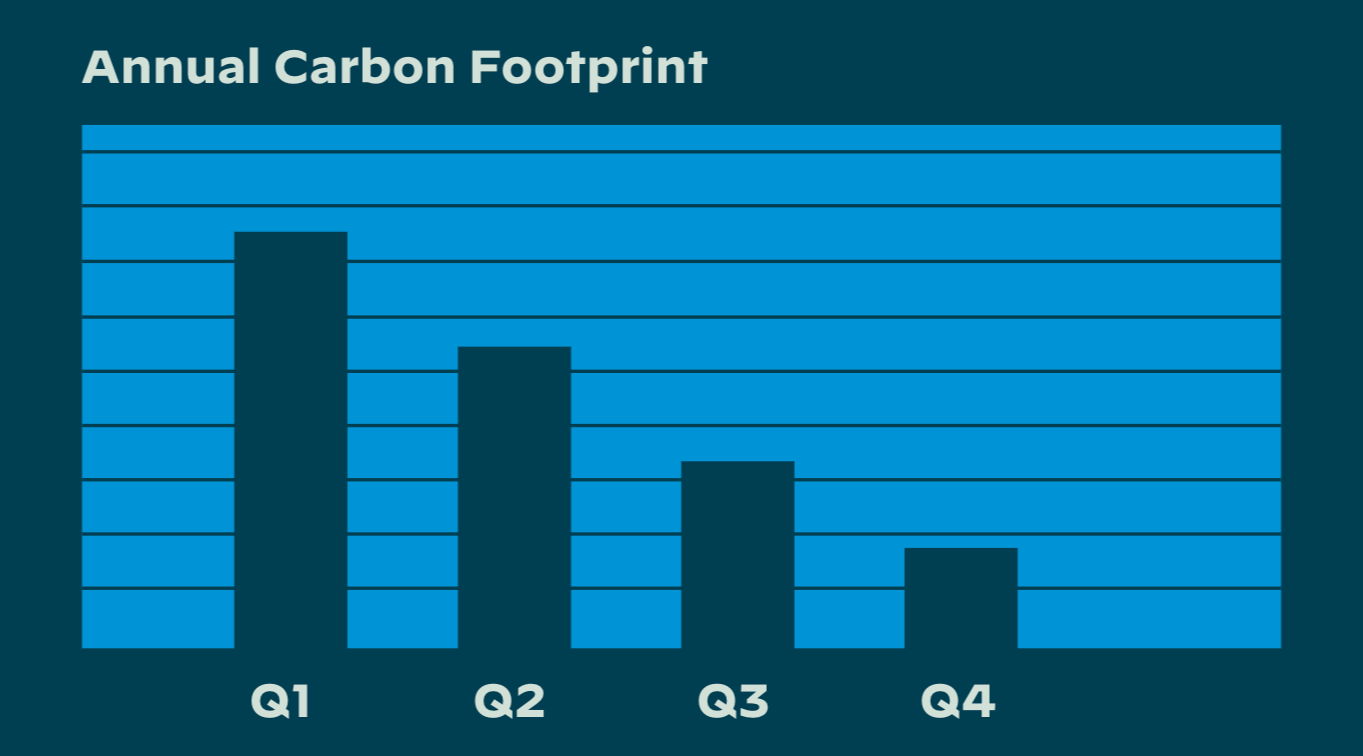
Many solutions reduce emissions and others reduce waste. But RENU uniquely enables companies to do both by design:
Electrification removes fossil-fuel combustion from the process
Powderization removes landfill dependence and creates ingredient value
This tandem effect strengthens a manufacturer’s position in:
Cap-and-trade states
Carbon offset markets
ESG scoring systems
Circular economy certification pathways
It’s a high-impact approach with measurable environmental and financial benefits.
Real-World Applications in Food Manufacturing
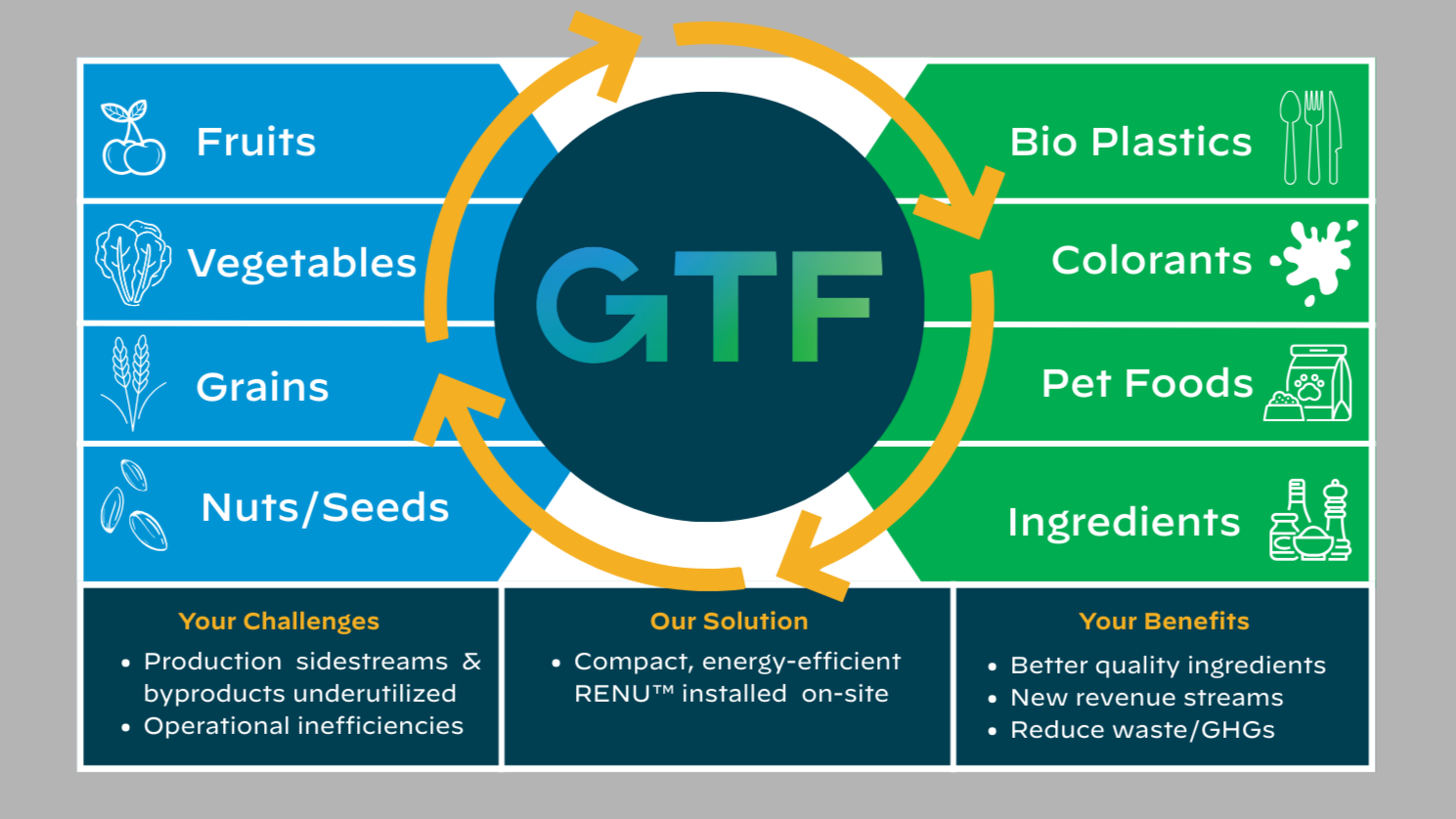
Beverages & Brewing: Transform pulp, spent grains, or plant fiber into nutrient-rich powders PLA fillers and biodegradable packaging.
Fruits & Vegetables: Powderize peels, pulp, stems, and other byproducts into shelf-stable ingredients and natural dyes and colorants.
Nuts and Seeds: Efficiently convert pits, seeds, and nuts into spices and herbs.
In each case, manufacturers reduce waste, generate product value, and support methane-avoidance impact.
Future-Ready by Design
As carbon markets evolve and waste-diversion crediting expands, RENU is positioned to support:
Additional side-stream categories
Advanced waste-to-ingredient valorization
Partnerships with carbon methodologies or third-party verifiers
Integration with electrified manufacturing standards
Manufacturers using RENU are prepared not only for today’s sustainability demands, but for tomorrow’s as well.
Conclusion
GTF’s RENU System helps food manufacturers transform waste into opportunity. By powderizing side streams using clean, all-electric processing, companies can:
Avoid landfill dependence
Reduce regulatory exposure
Unlock carbon and ESG value
Create new revenue streams
Support circular economy leadership
For industries operating in cap-and-trade environments—or simply striving to reduce waste—RENU offers a powerful, future-proof solution.