
From Pilot to Payback: What ROI Looks Like in the First 12 Months of RENU™
How food manufacturers turn a pilot system into measurable financial returns — fast.
When manufacturers evaluate new drying technology, the question isn’t whether it works—it’s whether it’s worth replacing what they already have.
Across food and ingredient manufacturing, aging dryers are becoming harder to justify. Rising energy costs, maintenance complexity, labor constraints, and tighter sustainability expectations are exposing the limits of legacy systems. What once felt “good enough” now carries hidden costs—lost efficiency, constrained throughput, and limited flexibility as product demands evolve.
That’s why many manufacturers begin with a pilot. Not to experiment, but to verify how a modern drying platform can deliver better performance, lower operating costs, and a clearer path forward—without disrupting production.
The first 12 months with GTF’s RENU™ Drying & Milling System are about turning those questions into data. Here’s what manufacturers typically learn as a pilot moves toward payback—and how that insight informs decisions about modernization, replacement, and future capacity.
Months 0–3: Validating Performance
The pilot phase is about more than just validating output — it’s about validating how much a modern drying platform can outperform existing technology.
Prior to purchase, manufacturers conduct rigorous testing and trials with their product at GTF’s R&D facility using our production-size RENU System to ensure the new equipment can match or exceed their existing equipment.
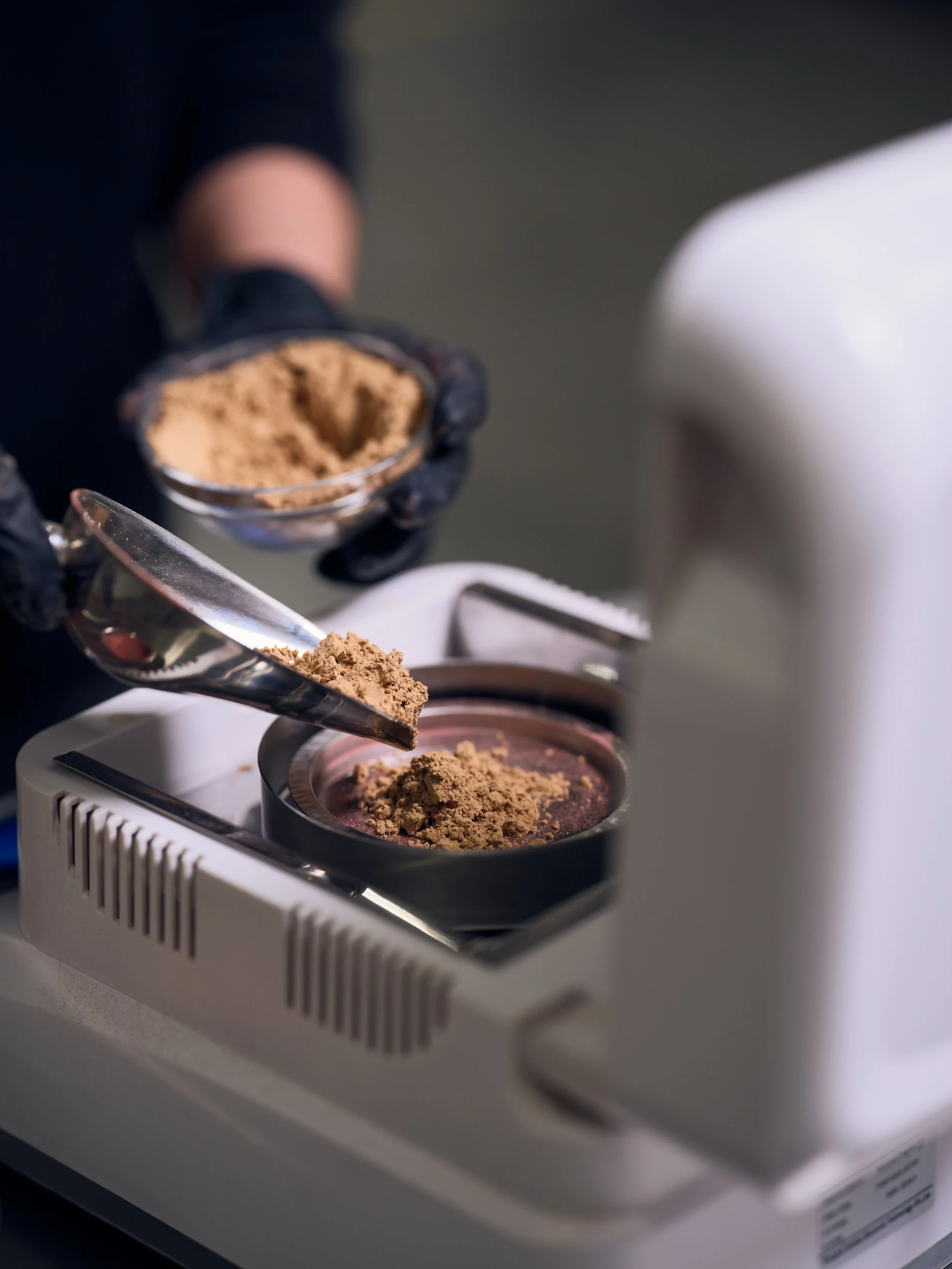
Once RENU is installed on-site, manufacturers confirm previous trial results in their production setting, such as:
Powder quality (color, flavor, particle size, nutrient retention)
Throughput and moisture reduction
Energy usage and operating parameters
Compatibility with existing upstream and downstream processes
Just as important, the pilot system creates alignment across teams—operations, QA, R&D, and finance—using real data instead of assumptions. By the end of this phase, the conversation usually shifts from “Will this work?” to “What does this level of performance mean for our operating costs—and what could it look like at broader capacity?”
Months 3–6: Operational Cost Improvements Become Measurable
Once RENU is integrated into production, cost reductions start to show up quickly.

Because RENU combines drying and milling into a single, ultra-low residence time process, manufacturers often see:
Improved energy efficiency through a fully electric system with reduced reliance on natural gas
Labor savings due to simplified operation and fewer manual steps
Less downtime thanks to upgraded equipment
These gains don’t depend on new products or new customers. They come from replacing outdated process complexity with a more efficient, modern drying approach.
Months 6–9: Waste Reduction, Yield, and Reliability Converge
As production ramps up, waste avoidance becomes a measurable financial benefit.
Materials that were previously difficult to handle—or not economical to process—can now be dried efficiently and consistently. This leads to:
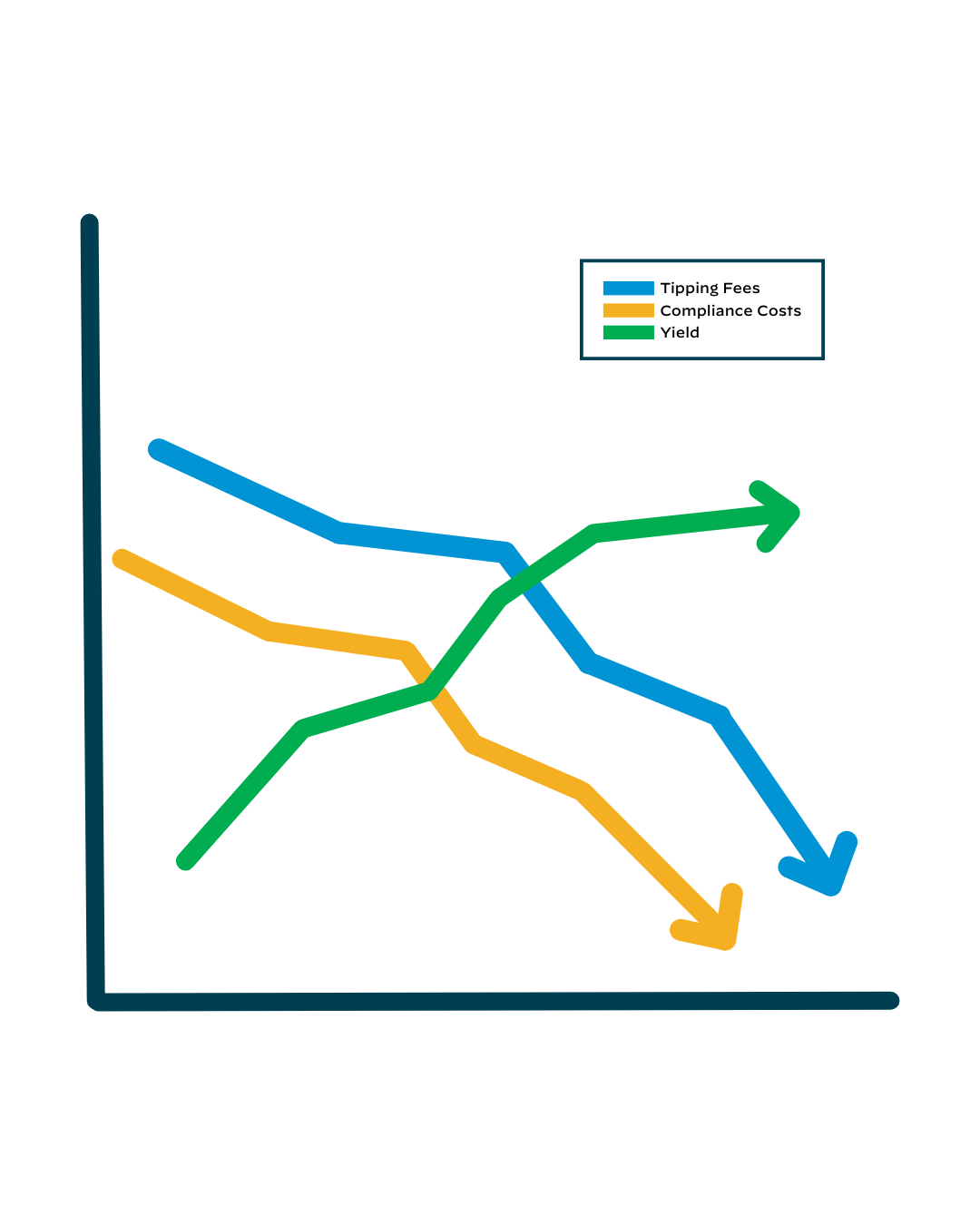
Reduced hauling and tipping fees
Lower disposal-related compliance costs
Improved yield from materials that were previously underutilized
At this stage, sustainability gains stop being theoretical. They’re reflected in lower operating expenses and improved material utilization.
Months 9–12: New Value Comes Online
By the end of the first year, many manufacturers begin realizing upside beyond cost savings alone. With RENU, upgraded drying performance enables:
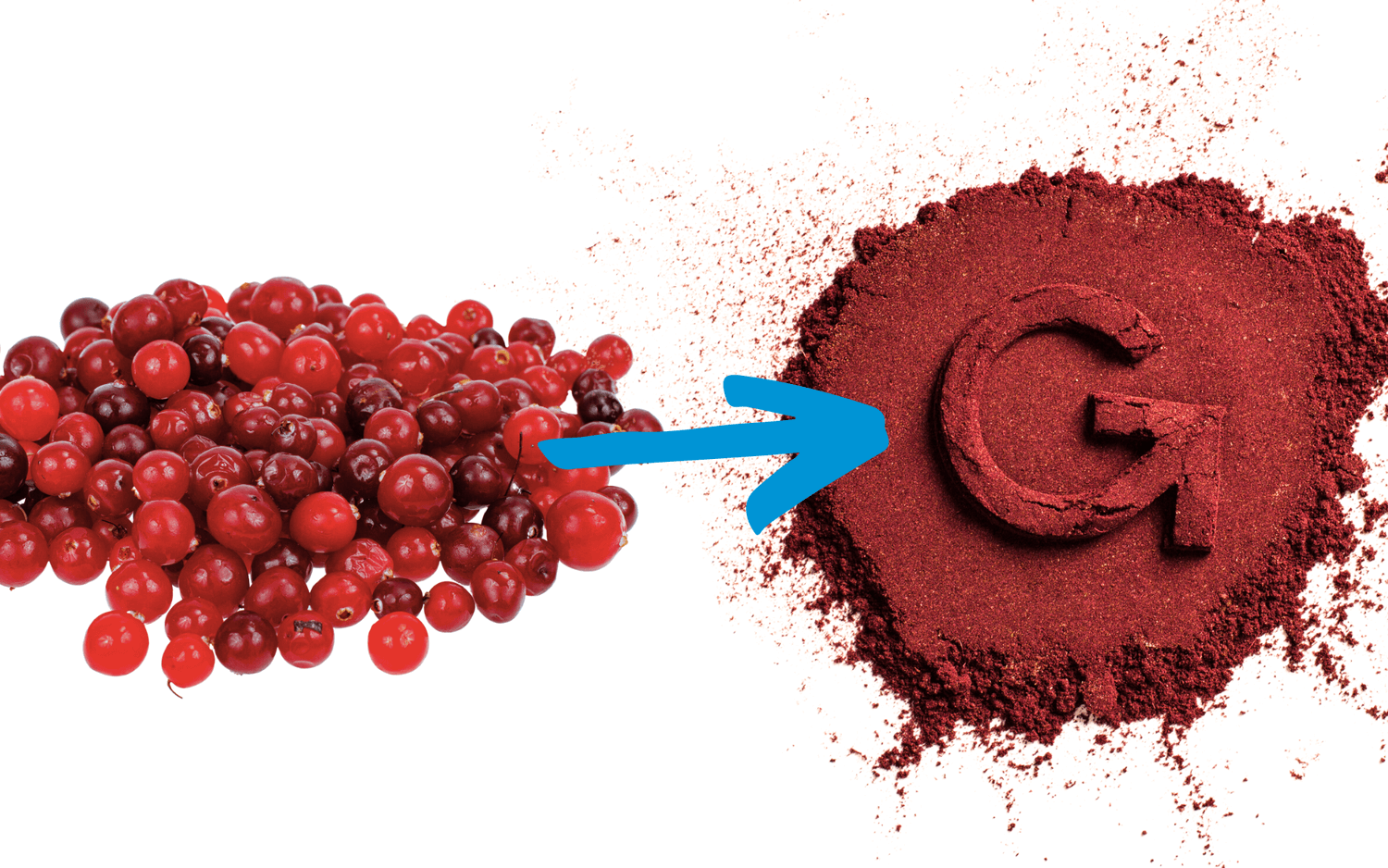
New powdered ingredients from existing inputs
Higher-value applications driven by superior powder quality, including excellent nutrient retention, true taste, brilliant color, strong aroma, and consistent performance
Internal reuse or resale of materials that once left the facility as waste
What started as a process improvement becomes a platform for product and revenue expansion. Superior powder quality not only unlocks premium applications but also increases market flexibility and differentiation while commanding higher margins and reducing waste.
Why the Payback Comes Faster
RENU delivers ROI quickly because it improves multiple cost drivers at once. Ultra-low residence time minimizes thermal stress. Integrated drying and milling eliminate unnecessary steps. Electrification simplifies energy management. Modular design allows capacity to grow without major redesign.
Rather than solving isolated problems, RENU reshapes the economics of drying itself—making payback a function of improved performance, not added complexity.
Planning for Scale: Modernizing Capacity without Redesign
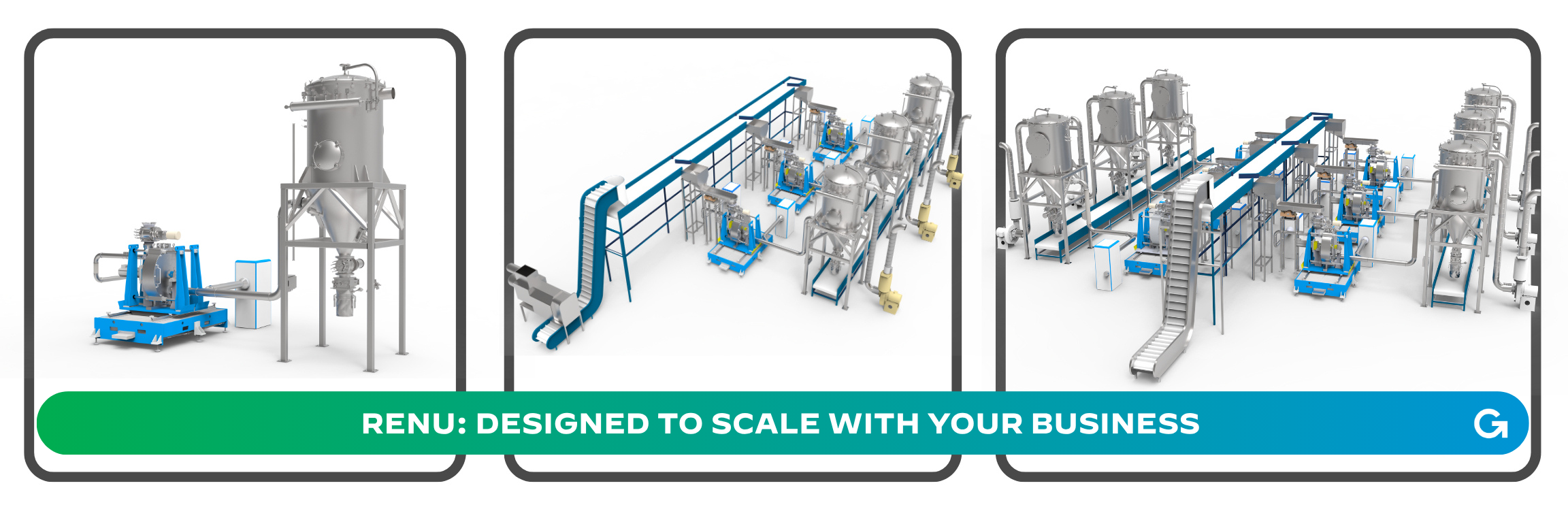
For many manufacturers, the decision to scale begins alongside the pilot — not after it. Even early in the evaluation process, teams often identify where aging dryers are limiting capacity, flexibility, or cost control.
The pilot’s role is to verify performance, validate savings, and confirm that RENU delivers as expected. Once that confirmation is in place, expansion planning becomes straightforward. Because RENU is modular and designed to integrate without major redesign, additional systems or capacity can be added without reworking the entire process.
In this way, the first 12 months aren’t about deciding whether modernization makes sense—they’re about confirming timing. The pilot provides the final data needed to move forward confidently, turning early ROI into a foundation for future growth.
From Trial to Return
Pilots answer important questions — but the real value comes from what follows. When drying technology is designed to improve efficiency, reduce waste, and support sustainability from the start, ROI becomes a matter of timing, not possibility. For many manufacturers, the first 12 months with the RENU™ System are about validating assumptions, unlocking measurable savings, and preparing to move forward with confidence.
Let’s start with a conversation about your drying process — and where efficiency, sustainability, and ROI could improve it. Contact GTF Technologies to begin.