
As the food industry looks toward 2027, some priorities are becoming clearer. Consumers are paying closer attention to what goes into their food, manufacturers are looking for smarter and more resilient ways to operate, and sustainability continues to influence decisions throughout the supply chain.
But progress isn't just about adopting the next big trend. It's also about recognizing which practices no longer make sense and finding better ways to move forward.
Here are four shifts we're watching as the industry leaves some old approaches behind and embraces new opportunities in 2027.
1. From Artificial Additives to More Intentional Ingredients

Leaving behind: Unnecessary additives and artificial colors.
Doing more of: Simpler formulations, greater ingredient transparency, and nutrient-dense ingredients that deliver multiple benefits.
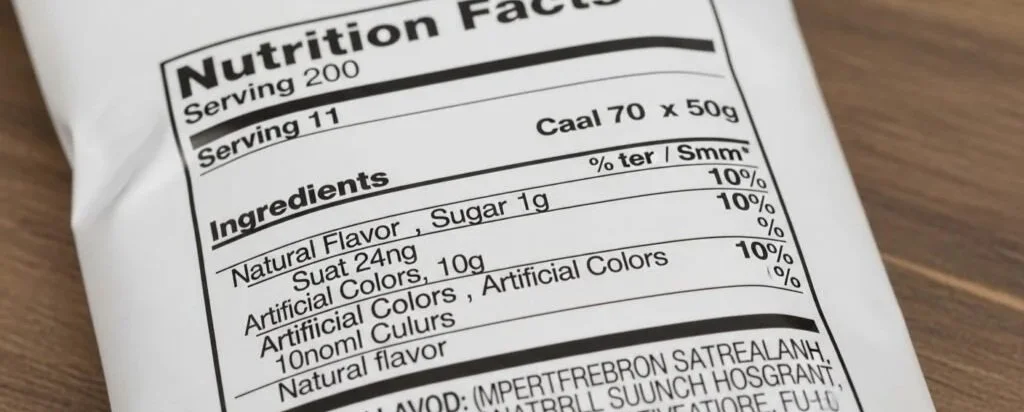
Consumers increasingly want to understand what's in their food and why it's there. Artificial colors, unnecessary additives, and overly complicated ingredient lists are facing greater scrutiny as clean-label expectations continue to shape product development.
In 2027, the focus will shift from simply removing ingredients to choosing ingredients that do more. Manufacturers have an opportunity to incorporate naturally sourced ingredients that contribute flavor, color, texture, and nutritional value at the same time.
This also creates opportunities to rethink how ingredients are sourced and produced. Food byproducts that were once considered waste can become valuable sources of natural color, fiber, protein, and other functional components.
2. From Excess Packaging to Smarter Packaging
Leaving behind: Unnecessary packaging and excessive material use.
Doing more of: Recyclable and compostable materials where appropriate, lighter packaging, and designs that balance sustainability with food protection and shelf life.
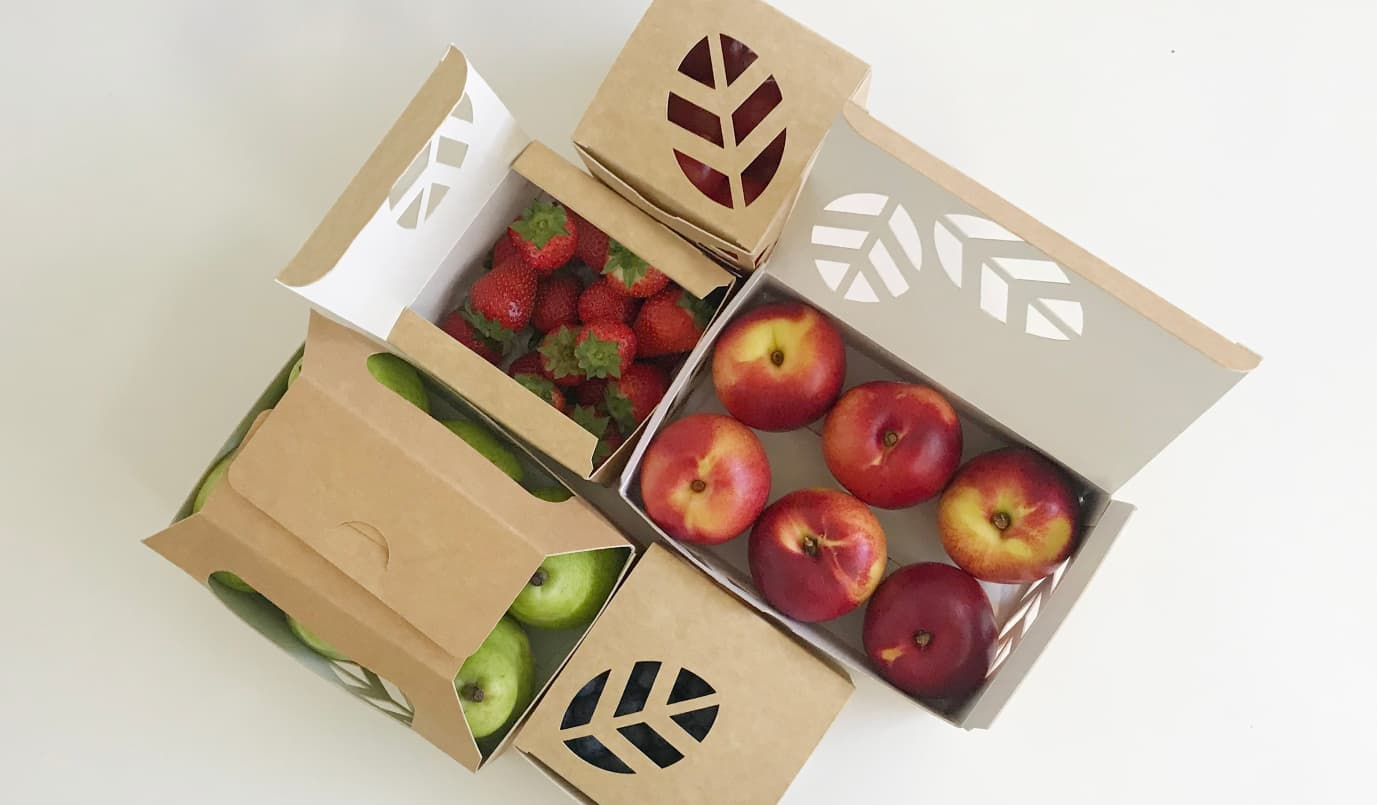
Packaging plays an essential role in protecting food, maintaining quality, and extending shelf life. But that doesn't mean more packaging is always better.
As pressure to reduce material use and plastic waste grows, manufacturers are looking for ways to rethink packaging without compromising product safety or performance. Lightweight materials, recyclable formats, compostable alternatives, and more efficient packaging designs are all part of the conversation.
The challenge is finding solutions that work in practice. Sustainable packaging must still protect the product, withstand distribution, and meet the demands of manufacturing and retail. In 2027, smarter packaging decisions will mean looking beyond the material itself to consider the entire lifecycle of the product.
3. Improving Supply Chain Visibility for Smarter, More Resilient Operations
Leaving behind: Limited traceability, unnecessary complexity, and avoidable supply chain vulnerabilities.
Doing more of: Digital traceability, practical AI applications, regional sourcing where it makes sense, and more resilient supplier networks.

Recent supply chain disruptions have reinforced how important visibility and flexibility are to food manufacturing. Long, complicated supply chains can create vulnerabilities, increase transportation costs, and reduce flexibility when demand, costs, or supply availability shift.
Technology is helping manufacturers address some of these challenges. Digital traceability can provide greater insight into where ingredients originate and how they move through the supply chain. Meanwhile, practical applications of artificial intelligence are creating opportunities to improve forecasting, optimize production, reduce inefficiencies, and make better-informed decisions.
There's also growing interest in regional sourcing and finding ways to make better use of available resources closer to home. Shorter supply chains aren't always practical, but reducing unnecessary transportation and creating more local sourcing opportunities can benefit both manufacturers and the communities around them.
The goal is not simply to make supply chains shorter, but to make them more transparent, adaptable, and dependable.
4. From One-Size-Fits-All Nutrition to More Targeted Health Benefits
Leaving behind: The idea that one nutritional claim is enough to differentiate a product.
Doing more of: Personalized nutrition, functional ingredients, higher-quality protein, fiber, and products designed to support specific health and wellness goals.
Nutrition is becoming more targeted. Consumers are increasingly interested in foods and beverages that do more than simply provide basic nutrition. They want products that support specific aspects of health and wellness, whether that's digestive health, cognitive function, metabolic health, immune support, or healthy aging.
Personalized nutrition is helping drive this shift, as consumers look for products that align with their individual needs, lifestyles, and health priorities. At the same time, some nutritional priorities remain relevant across a broad range of consumers. Protein and fiber continue to attract attention, with both expected to play prominent roles in food product development in 2027.
For manufacturers, this means looking beyond a single nutritional selling point. Combining complementary ingredients allows manufacturers to address multiple nutritional priorities within a single product. High-quality protein paired with fiber, for example, can address more than one nutritional priority while creating products with greater overall nutritional value.
Ultimately, the goal is to develop ingredients and products that deliver more meaningful benefits, rather than simply adding another health claim to the label.
Looking Ahead: Better Choices, Better Opportunities
Overall, the food industry has an opportunity – even an obligation – to rethink some long-standing practices and make more intentional choices about ingredients, packaging, sourcing, and production.
Many of these shifts share a common theme: doing more with what we already have. Making better use of existing resources, reducing unnecessary materials, improving efficiency, and creating ingredients with greater nutritional and functional value. Combined, these improvements will contribute to a more productive and resilient food system.
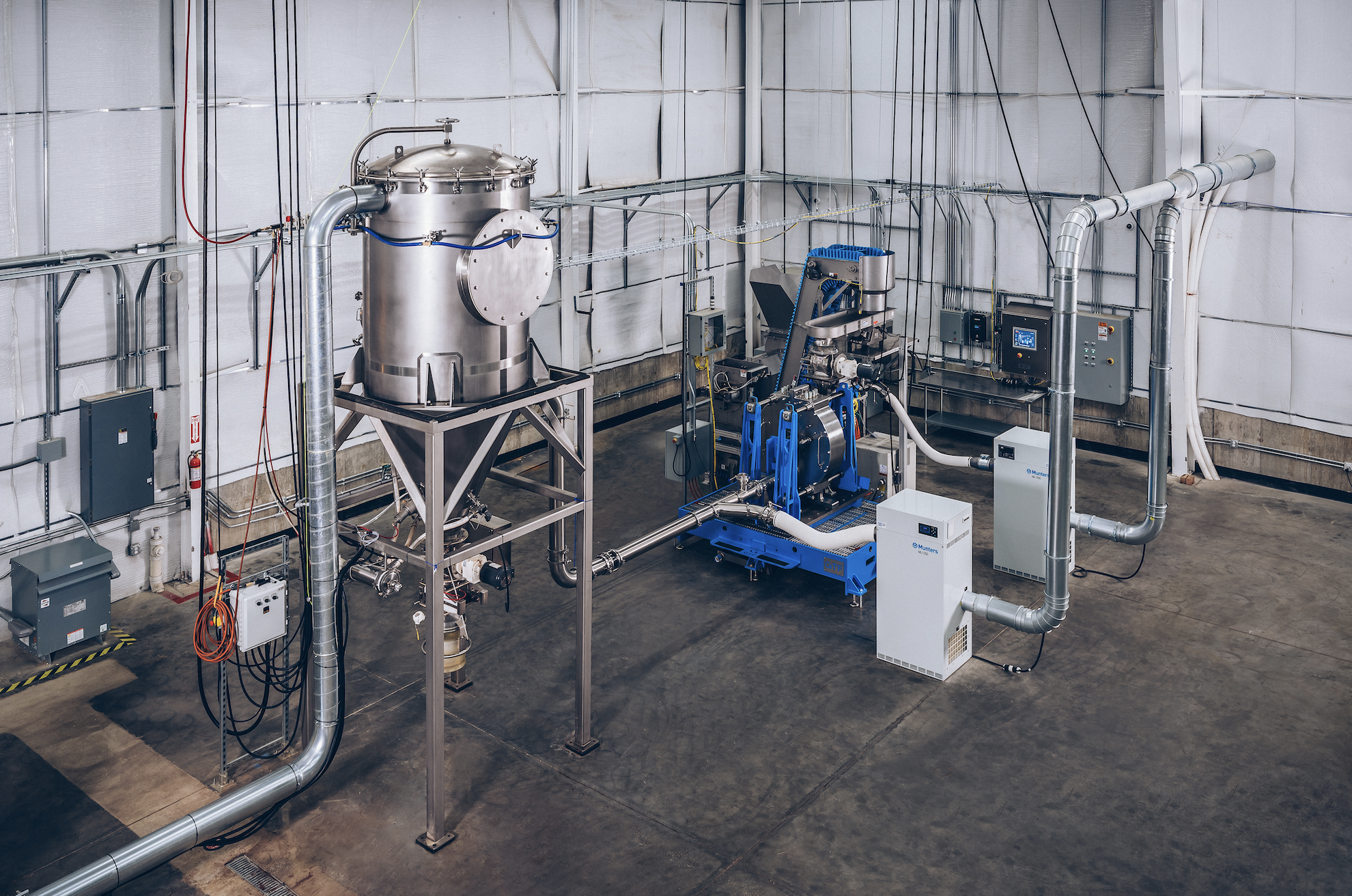
At GTF Technologies, we see particular opportunity in finding higher-value uses for food processing side streams. By working with food processors to convert underutilized materials into nutrient-rich ingredients on-site, we help reduce the need to transport food waste elsewhere for disposal or secondary processing. This not only creates new revenue opportunities from existing resources but can also simplify supply chains, reduce unnecessary transportation, and make better use of ingredients closer to where they are generated.
As we move into 2027, companies that are willing to question old approaches and embrace better solutions will be well positioned for what's next.