
A Capital Planning Guide for 2027
When evaluating a new drying system, the purchase price is often the easiest number to identify… yet it’s one of the least useful on its own.
A drying system affects much more than capital expenditure. Energy consumption, labor, maintenance, downtime, throughput, product quality, and future production capabilities all contribute to the economics of the process.
For manufacturers considering a drying system investment in 2027, the question isn't simply, “What will a new system cost?” A better question is: “What will our current system cost us to keep operating—and what value could modernization create?”
Start With the Current Cost of Drying
Before evaluating the potential return on a new system, establish a clear baseline for the existing operation.
Start with four areas:
Energy and emissions: How much energy does the drying process consume per pound of finished product? Consider not only the cost of fuel and electricity today, but also how energy requirements may affect the long-term economics of the process.
For facilities operating in regions with carbon pricing, cap-and-trade, or other emissions-related costs, the economic impact of fossil fuel consumption can extend beyond the utility bill. Reducing energy demand — or changing how energy is used in the process — may therefore affect both operating costs and future compliance exposure. California's Cap-and-Invest program, for example, includes industrial compliance and emissions-reduction costs in its economic analysis.
Labor: How much operator time is required for monitoring, adjustments, cleaning, material handling, and compensating for process variability?
Maintenance and downtime: What does it cost to maintain the system? How much production is lost during planned cleaning and maintenance, and unexpected downtime?
Quality and yield: Is moisture variability, off-spec material, rework, or product losses adding costs that aren't reflected in the equipment's operating expenses?
A system doesn't have to be failing to become economically limiting. Factors such as increasing operating costs, maintenance requirements, and production constraints can gradually change the business case for modernization. (Read more about the signs that it may be time to upgrade your drying equipment here.)
Quantify the Value of Better Performance


Once the current costs are understood, consider what modernization could change.
1. Increased throughput
If drying is a production bottleneck, additional or more efficient drying capacity may allow the facility to produce more without expanding every part of the process.
The key is to connect capacity to actual business needs. Additional throughput only creates value when and where there is demand for it.
2. Lower operating costs
A modern drying process may reduce energy consumption, labor requirements, or maintenance costs. Rather than looking at energy use in isolation, evaluate the total operating cost per pound of finished product.
3. Greater consistency
Variability can create costs throughout a manufacturing operation. More consistent processing can help reduce off-spec product, rework, adjustments, and other inefficiencies.
As we discussed in our article on residence time, shear, and particle control, drying conditions can also influence the physical characteristics and performance of the finished ingredient.
4. More capacity for future products
A drying system shouldn't only be evaluated against today's production requirements. Consider the materials, products, volumes, and specifications the facility may need to accommodate in the future.
This is where flexibility becomes part of the financial discussion.
What Is Flexibility Worth?
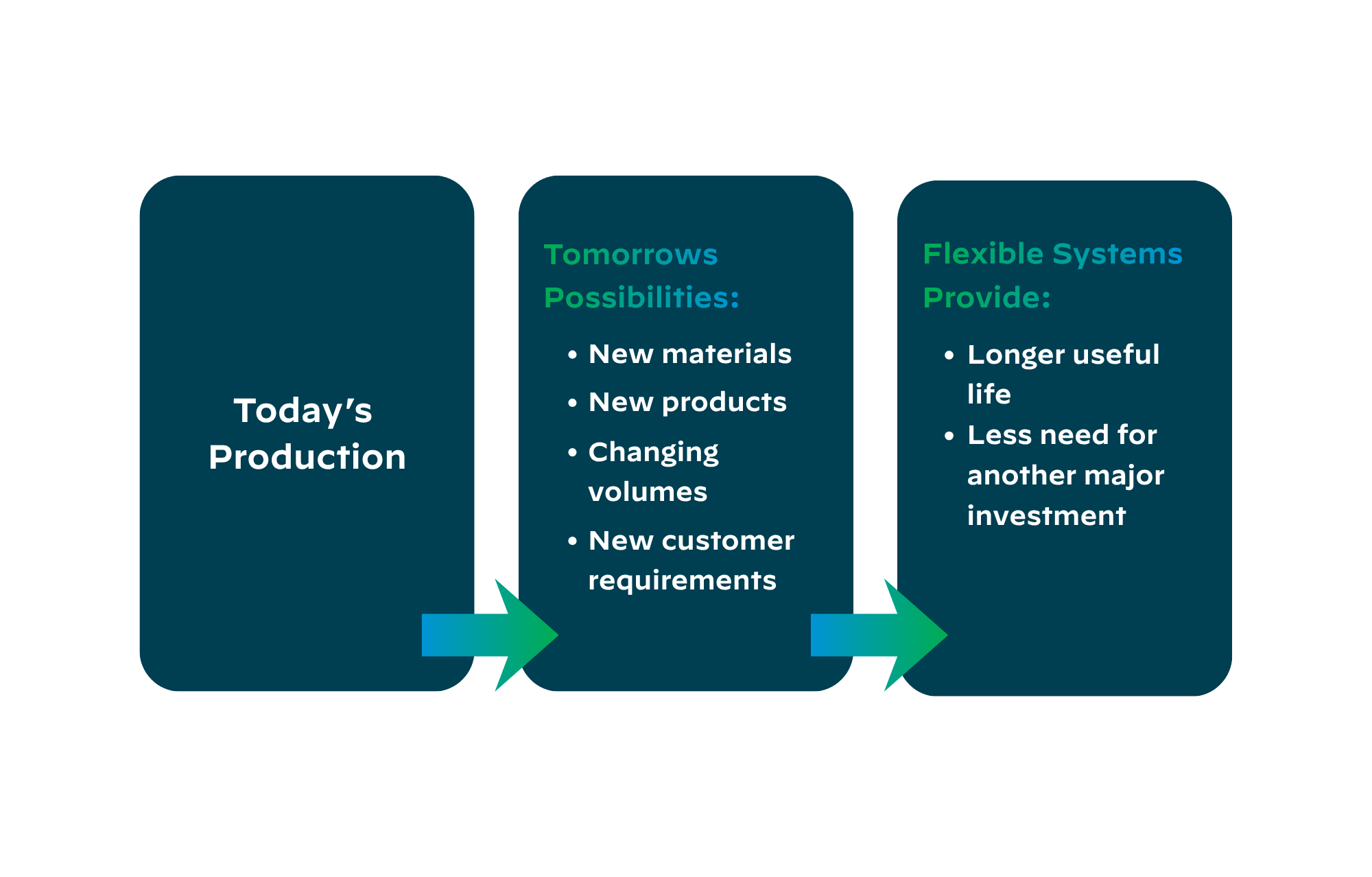
Our previous blog, Designing Drying Systems for Flexibility in a Changing Product Portfolio, explores why manufacturers should consider future requirements when designing a drying system. However, from a capital-planning perspective, the question is slightly different: “What is that flexibility worth?”
Flexibility has economic value when it allows you to respond to changing production requirements without requiring another major equipment investment. A system that can accommodate realistic changes in materials, products, or capacity can remain useful longer and reduce the risk of outgrowing the investment.
Evaluate the Full Investment
The equipment price is only one part of the capital decision. A more complete evaluation should consider:
💲 Equipment and installation
💲 Electrical and facility requirements
💲 Material handling and system integration
💲 Commissioning and training
💲 Expected energy and labor costs
💲 Maintenance and spare parts
💲 Downtime
💲 Expected useful life
In other words, evaluate total cost of ownership, not just initial capital cost.
A system with a higher initial investment may have a different economic profile if it reduces ongoing operating costs, increases usable capacity, or provides capabilities that support future production.
Likewise, the lowest-cost capital option isn't necessarily the lowest-cost solution over the life of the system.
Compare the Alternatives
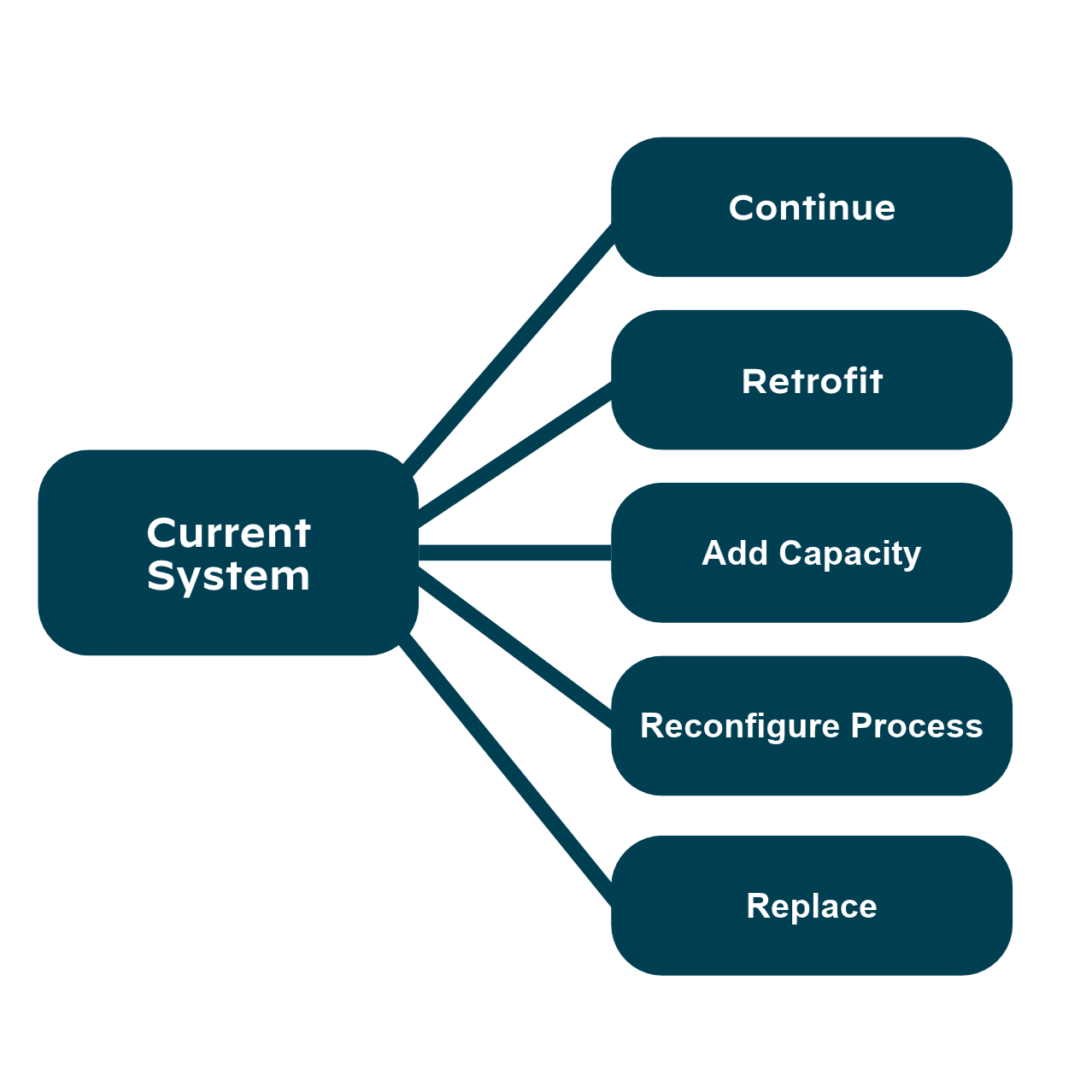
Modernization has to make business sense. Depending on the process and business objectives, manufacturers may want to compare several scenarios:
Continue operating: What will it cost to maintain the existing system for the next several years?
Retrofit or modify: Can targeted improvements address the limitations? If so, for how long?
Add capacity: Would adding drying capacity be sufficient, or would it just be a stopgap?
Reconfigure the process: Could changes elsewhere in the process address the underlying constraint?
Replace: If none of these options will deliver the results you need, equipment replacement may be the right solution.
The right answer depends on the problem being solved. The goal should be to identify the solution that best aligns with your production requirements and long-term objectives — not simply to replace equipment because it’s old.
When Should You Take a Closer Look?
Certain conditions can signal that a more detailed modernization analysis is warranted:
✔️ Energy costs per pound/kilo are increasing
✔️ Production throughput is constrained by drying equipment
✔️ Frequent maintenance or unplanned downtime is disrupting operations
✔️ Operators are often compensating for process variability
✔️ Existing equipment is restricting the addition of new materials or products
✔️ Production requirements (ie, product mix, volumes, or specifications) are changing
✔️ The system is difficult to modify or integrate
✔️ Equipment is approaching the end of its useful life
None of these automatically means a new system is the right investment, but they are valid reasons to take a closer look at the economics of the current process and compare them with available alternatives.
For manufacturers considering a significant investment, material evaluation and sample testing can also help validate processing requirements and performance before moving toward full-scale implementation.
Build the Business Case Around the Process

The ROI of drying modernization isn't determined by equipment price alone, but comes from understanding the combined impact of several factors.
A strong capital evaluation starts with the process itself: What is limiting production today? What does that limitation cost? What needs to change? And what capabilities will the operation need several years from now?
Those questions provide a more complete foundation for determining whether modernization makes financial sense.
Before investing in new drying capacity, you must understand the performance, cost, and flexibility requirements of your current and future processing goals. GTF Technologies works with food manufacturers to evaluate their objectives and help identify the right solution for their particular application.