
How Testing Reduces Risk in Drying Technology Decisions
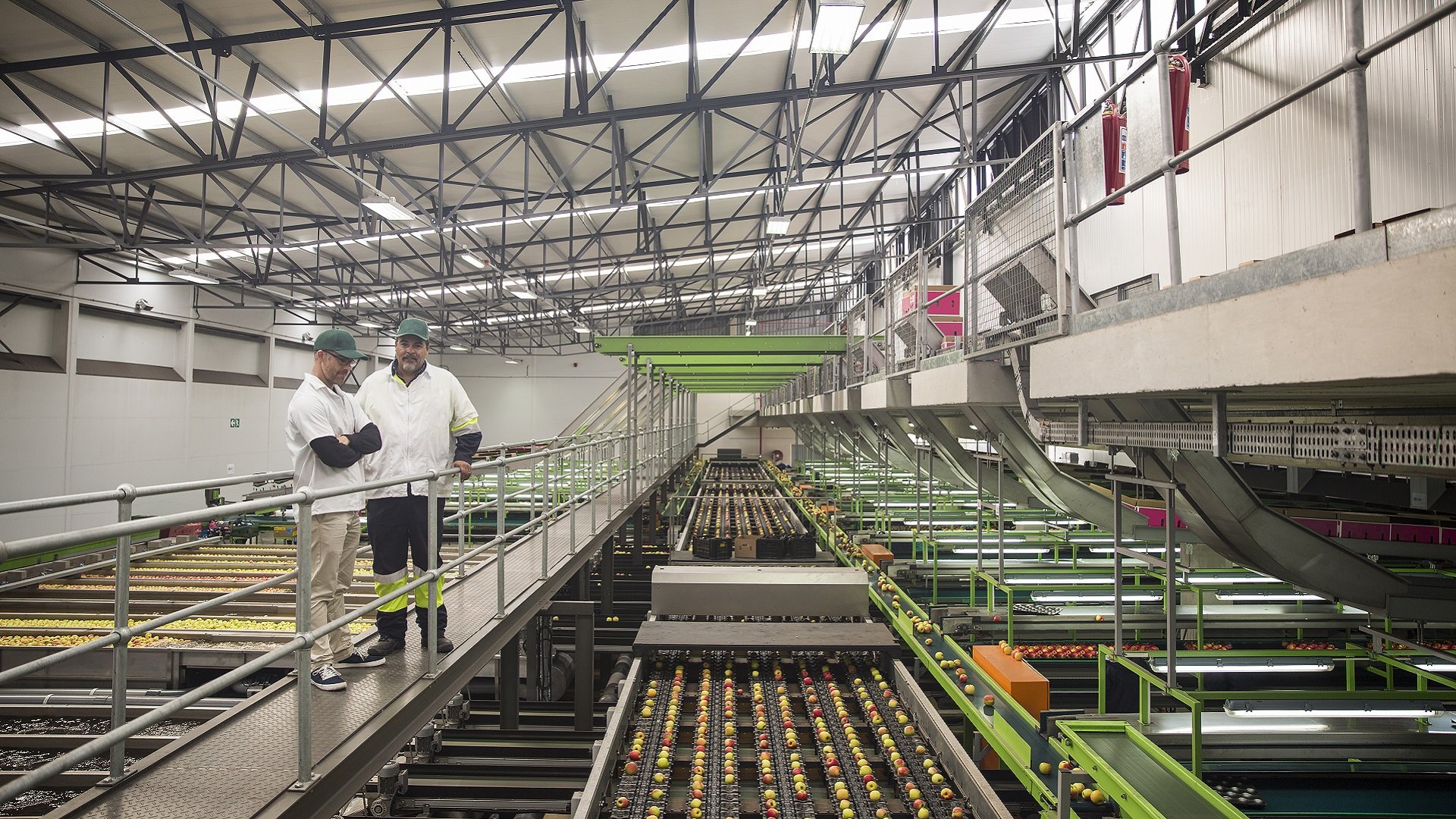
Rising energy costs, labor constraints, and increasing pressure to reduce waste are driving food, beverage, and ingredient manufacturers to evaluate industrial drying and milling systems more carefully.
In our recent article on moving from pilot to payback, we explored how validated performance translates to measurable ROI. But before installing a new system, the first step is always material evaluation for drying systems — ensuring that your feedstock, side streams, or primary products respond efficiently to processing while achieving targeted moisture, particle, and nutrient specifications.
Material Compatibility: The First Step in Feasibility Testing
Moisture content alone does not determine drying performance. Free moisture, particle structure, cohesion, bulk density, and feed behavior all influence how a material behaves in an impact flash-drying process.
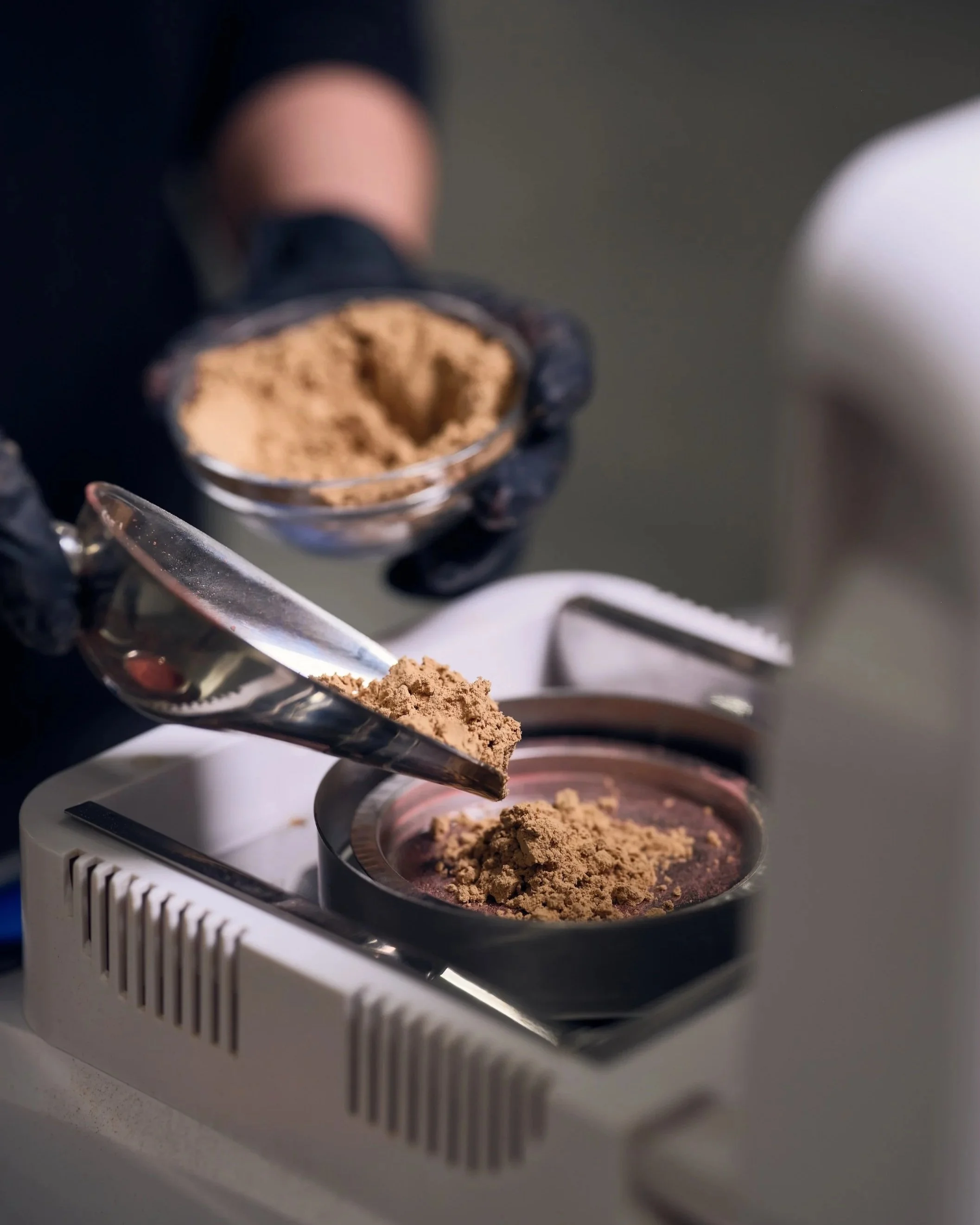
A structured material evaluation provides insight into:
Baseline and free moisture levels
Average particle size and structure
Flow characteristics and cohesion
Bulk and tapped density
Preliminary compatibility with the RENU™ process
This screening step ensures that subsequent testing is grounded in real material properties and identifies potential feeding or pre-processing considerations early in the decision process.
R&D Sample Runs: Controlled Testing for Actionable Data
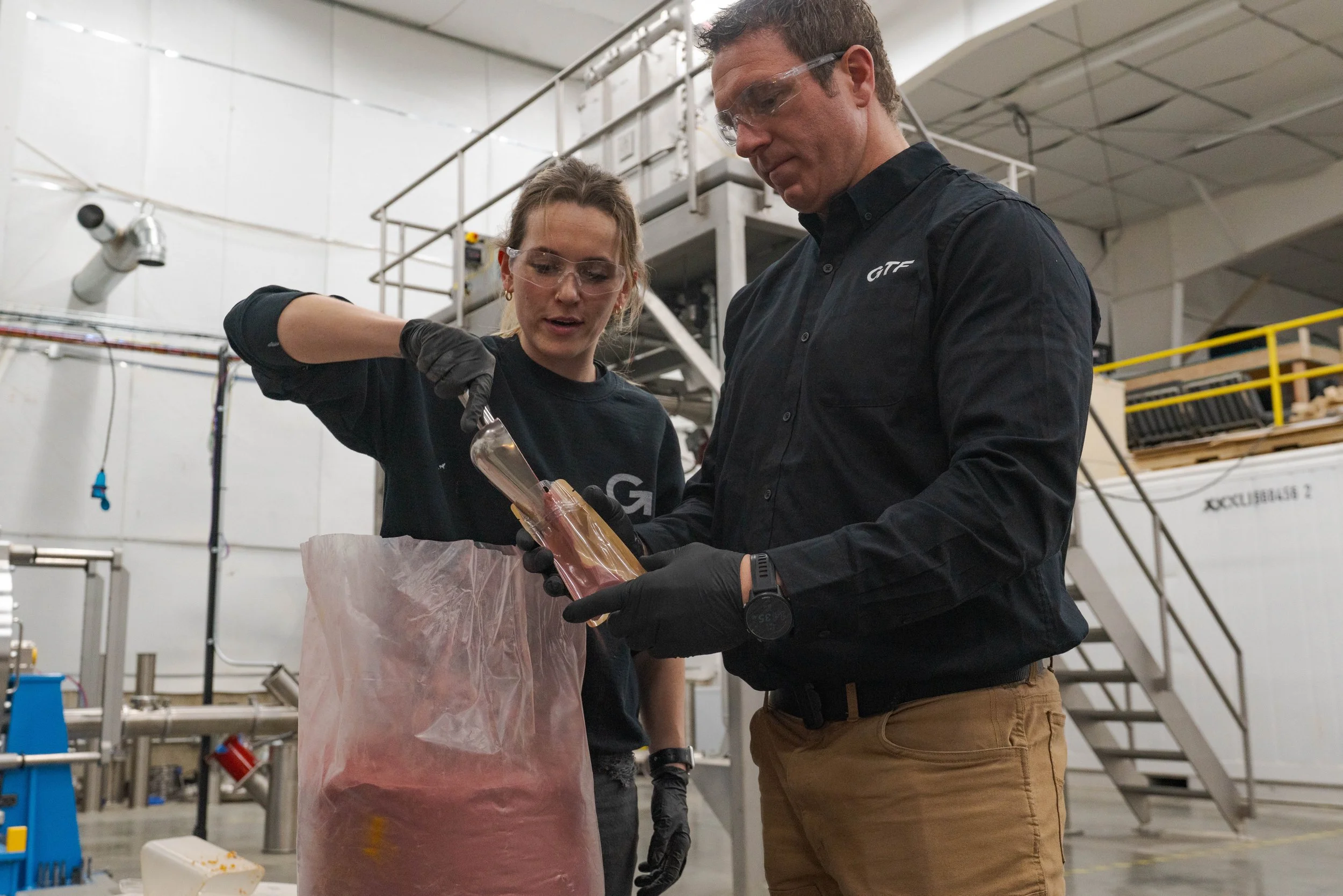
Once compatibility is confirmed, the next step is a sample run in our production-size RENU™ Drying & Milling System at GTF’s R&D center. These controlled runs allow manufacturers to:
Evaluate controlled feeding performance and throughput
Measure thermal and mechanical interactions during drying
Test simultaneous drying and milling for particle size control
Assess residence time dynamics and moisture removal efficiency
Sample runs also generate powder samples to your specifications, supporting product development, side stream valorization, or upcycled ingredient creation. These runs provide the performance data needed to inform preprocessing, feeding, and conveyance options required, and operational parameters for installation.
Aligning the Process with Product Objectives
Every R&D sample run is guided by your objectives. Some manufacturers prioritize protein or nutrient retention, while others focus on achieving specific moisture content, particle size distribution, or sensory properties like color, flavor, and aroma.
Key metrics tracked include:
Final moisture and water activity
Particle size distribution and bulk density
Nutrient retention, protein content, and sensory quality
Microbiological performance
The purpose of testing is to ensure that the powder meets functional, nutritional, and commercial requirements — whether the goal is replacing legacy dryers, improving efficiency, or creating upcycled powders from side streams.
Reducing Risk Before Capital Commitment
Upgrading industrial drying equipment affects energy use, labor requirements, maintenance, and product quality for years. Energy efficiency, operating consistency, and powder quality often drive ROI more than the initial purchase price.
Early validation helps answer key questions:
Can performance targets be met consistently?
What operating range delivers optimal efficiency?
How can side streams be converted into valuable ingredients?
When decisions are based on measured material behavior rather than projections, implementation risk is reduced and next steps become clearer.
Informing the Concept Proposal
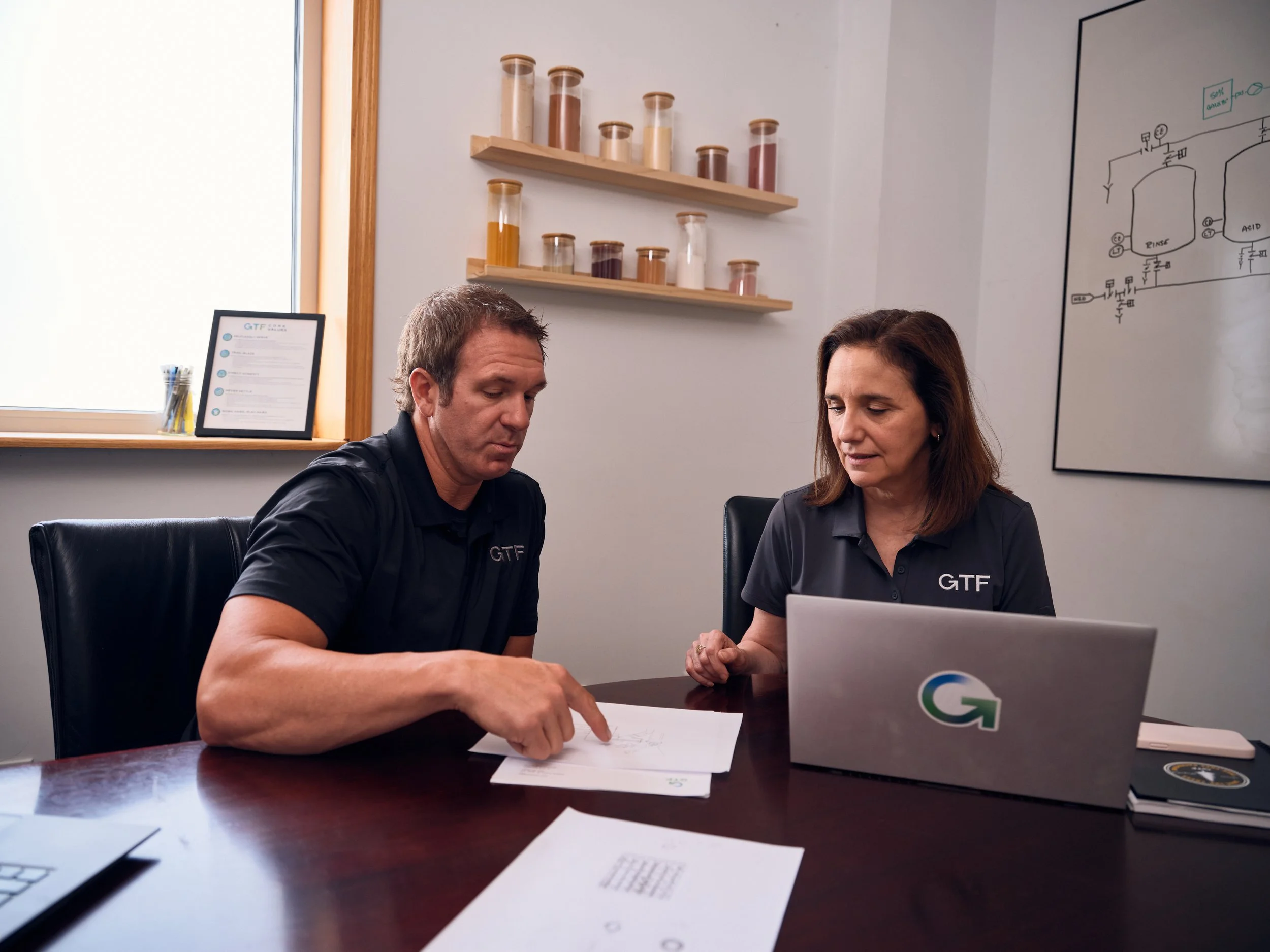
Data collected during sample runs is not only technical — it directly informs your concept proposal. Measured drying rates, energy input per pound of evaporated moisture, throughput, and powder characteristics are used to determine equipment requirements and operational parameters.
This performance data also supports preliminary capital and operating cost modeling, forming a P&L grounded in measured material behavior rather than assumptions. The result: greater confidence in projected throughput, energy use, and return on investment.
From Validation to Implementation
Whether upgrading legacy dryers or adding RENU to produce upcycled powders alongside existing lines, the process begins with evaluation, testing, and confirmation.
Manufacturers visiting the R&D Center in Grand Rapids can observe sample runs firsthand, review detailed performance data, and see how the RENU Drying & Milling System responds to their material.
Upgrading drying technology doesn’t start with equipment selection — it starts with understanding how your material performs under controlled processing conditions.
If you’re evaluating new drying technology — for primary products or side-stream upcycling — contact GTF Technologies to begin with a structured material evaluation and feasibility test.