
GLP-1 Food Trends Are Reshaping Nutrient-Dense Formulation

Food manufacturing is entering a new formulation era — one where nutrition per bite matters more than ever.
A major driver behind that shift is the rapid rise of GLP-1 medications. As more consumers eat smaller portions and fewer meals throughout the day, food products are being asked to do more nutritionally in less volume.
For manufacturers, this changes the equation.
Products still need to meet expectations around taste, texture, cost, and shelf stability. But increasingly, they are looking for functional food ingredients that deliver more more nutrition — particularly protein, fiber, and other nutrients — in smaller serving sizes.
Smaller Portions Create Bigger Formulation Challenges

GLP-1 medications reduce appetite, leading many consumers to eat less food overall and eat less frequently.
That shift may seem subtle, but it has important implications for food formulation. When total consumption decreases, nutrient delivery becomes less forgiving. Nutrients that once came from larger serving sizes now need to be delivered more efficiently in smaller portions.
As a result, reformulation is becoming a more routine part of product development.
Manufacturers across multiple categories are reevaluating how products deliver nutrition, with increasing focus on concentrated sources of protein, fiber, and functional ingredients that can support nutrient density without increasing serving size.
Ingredient and Processing Strategies Are Evolving
This shift is already influencing how ingredients are evaluated and processed.
Manufacturers are placing greater emphasis on ingredients that deliver higher nutritional value per pound, while still fitting into existing production systems and formulations.
That has increased interest in powders and functional ingredients that are:
nutrient-dense
easy to incorporate into formulations
shelf-stable
efficient to transport and store
At the same time, the way in which ingredients are processed is becoming more important. Conventional drying methods can expose ingredients to extended heat and processing conditions that may impact nutritional quality, color, flavor, or functionality.
As demand for nutrient-rich formulations grows, preserving more of the original value of raw ingredients becomes increasingly important.
Where GTF Fits
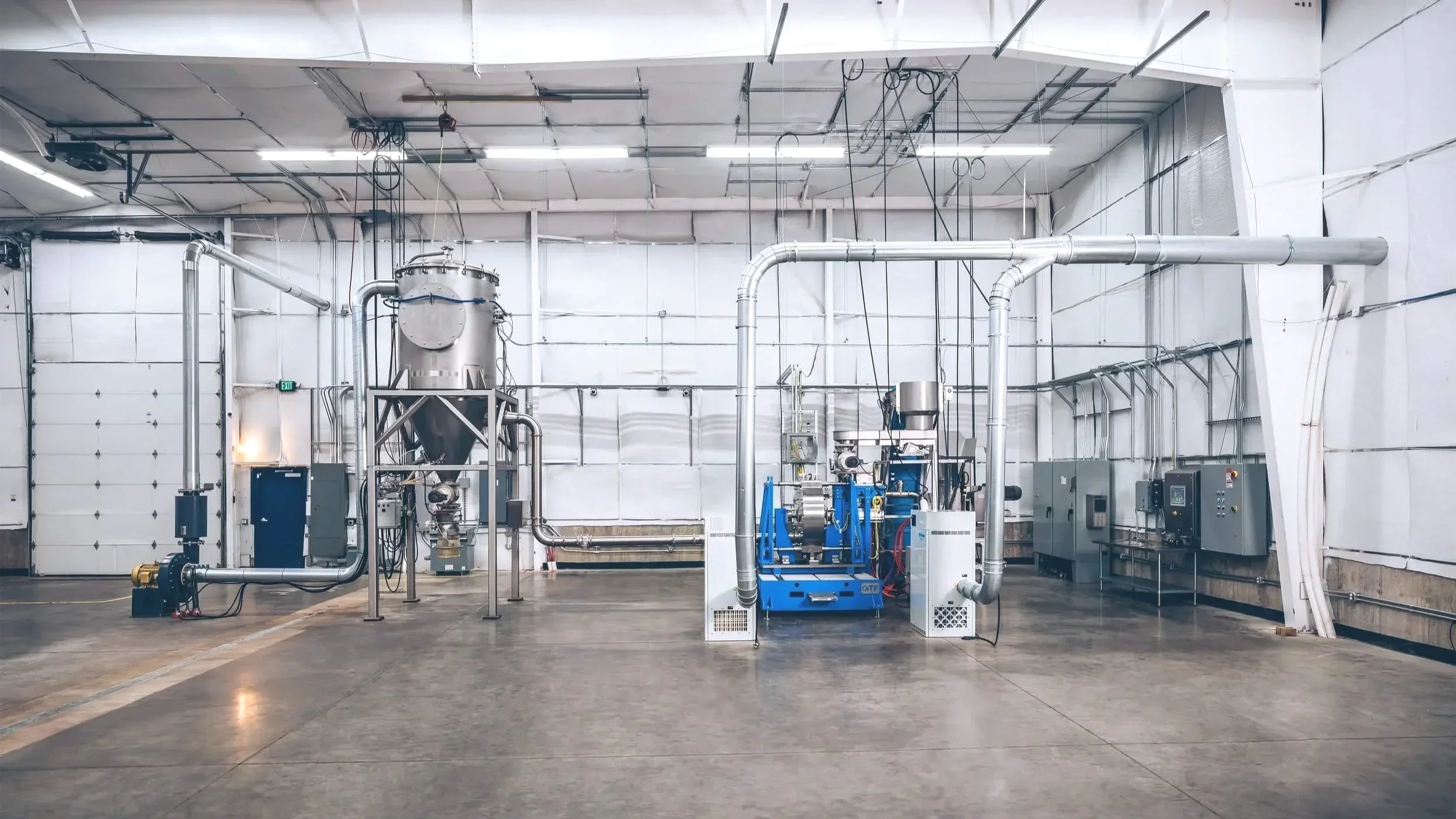
GTF’s RENU™ Drying & Milling System was designed to support this shift toward more nutrient-efficient formulation.
Using impact flash-drying technology, the system rapidly converts raw materials into shelf-stable powders while helping preserve more of their original nutritional value, color, flavor, and functionality. We explored this further in our previous article, Why Impact Flash-Drying Is a Healthier Way to Retain More Nutrients in Food Ingredients.
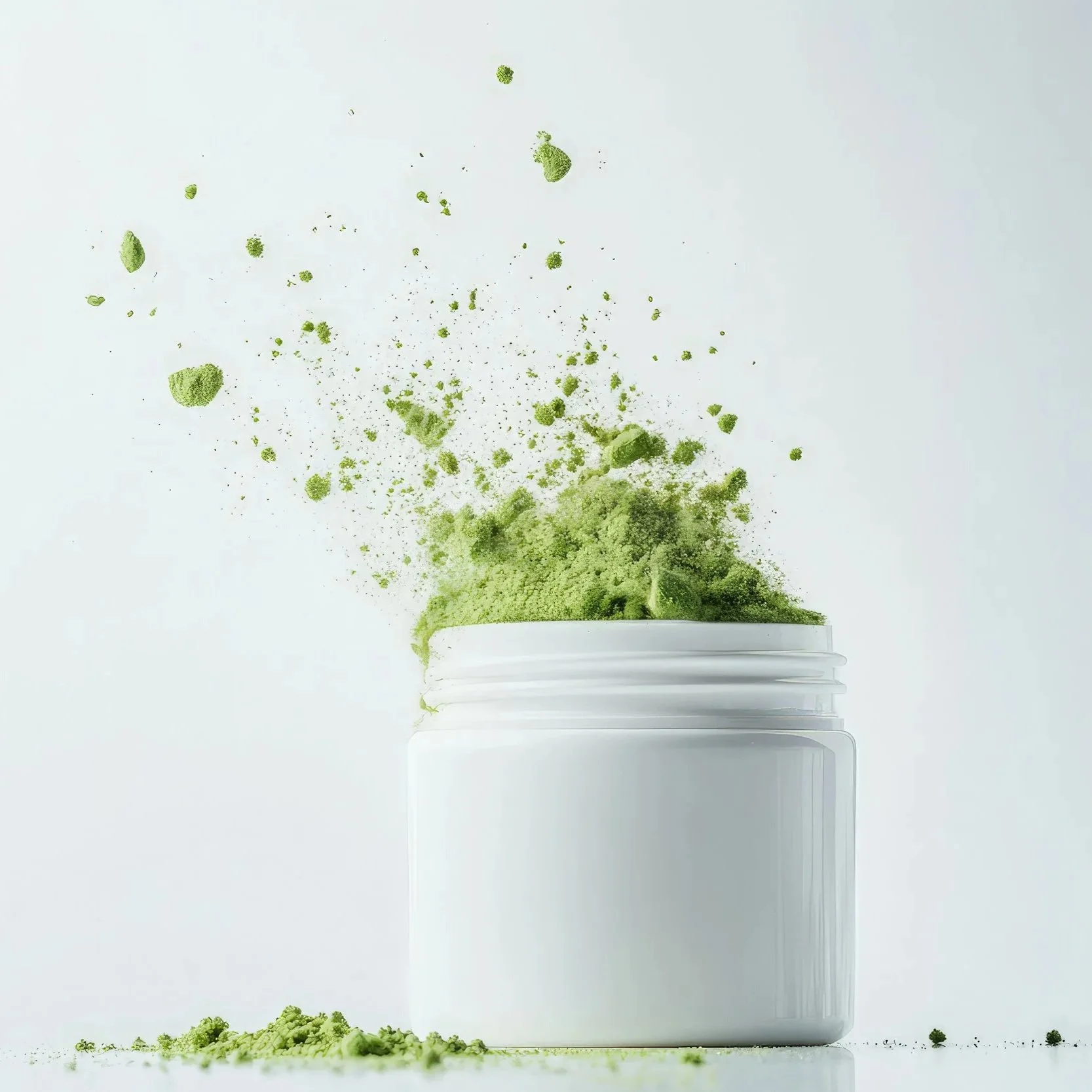
The technology can be used with a wide range of materials — including fruits, vegetables, protein- and fiber-rich ingredients, and underutilized food processing streams.
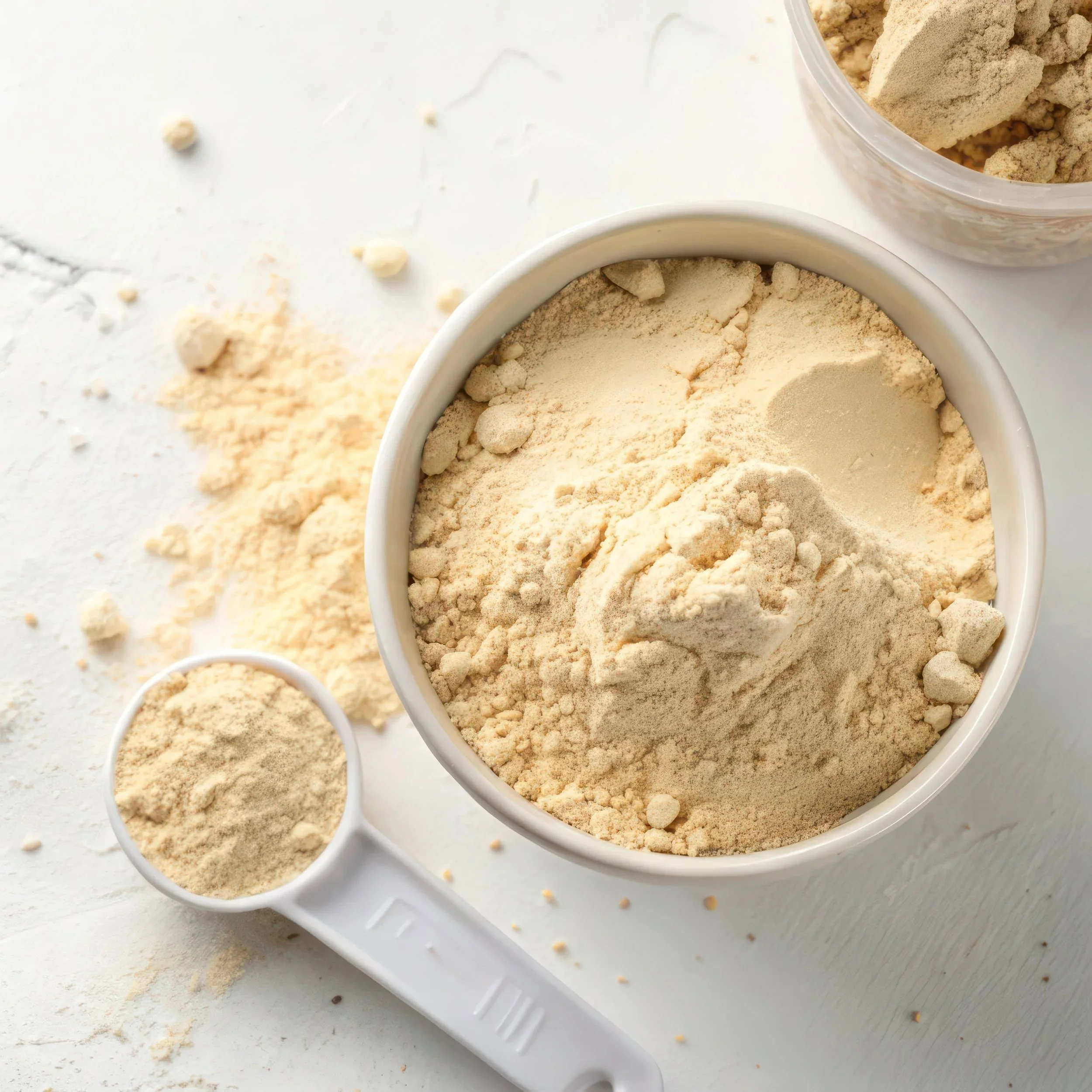
By creating concentrated powders that are easier to handle, transport, store, and integrate into formulations; manufacturers can build more nutritional value into products without significantly increasing serving size.
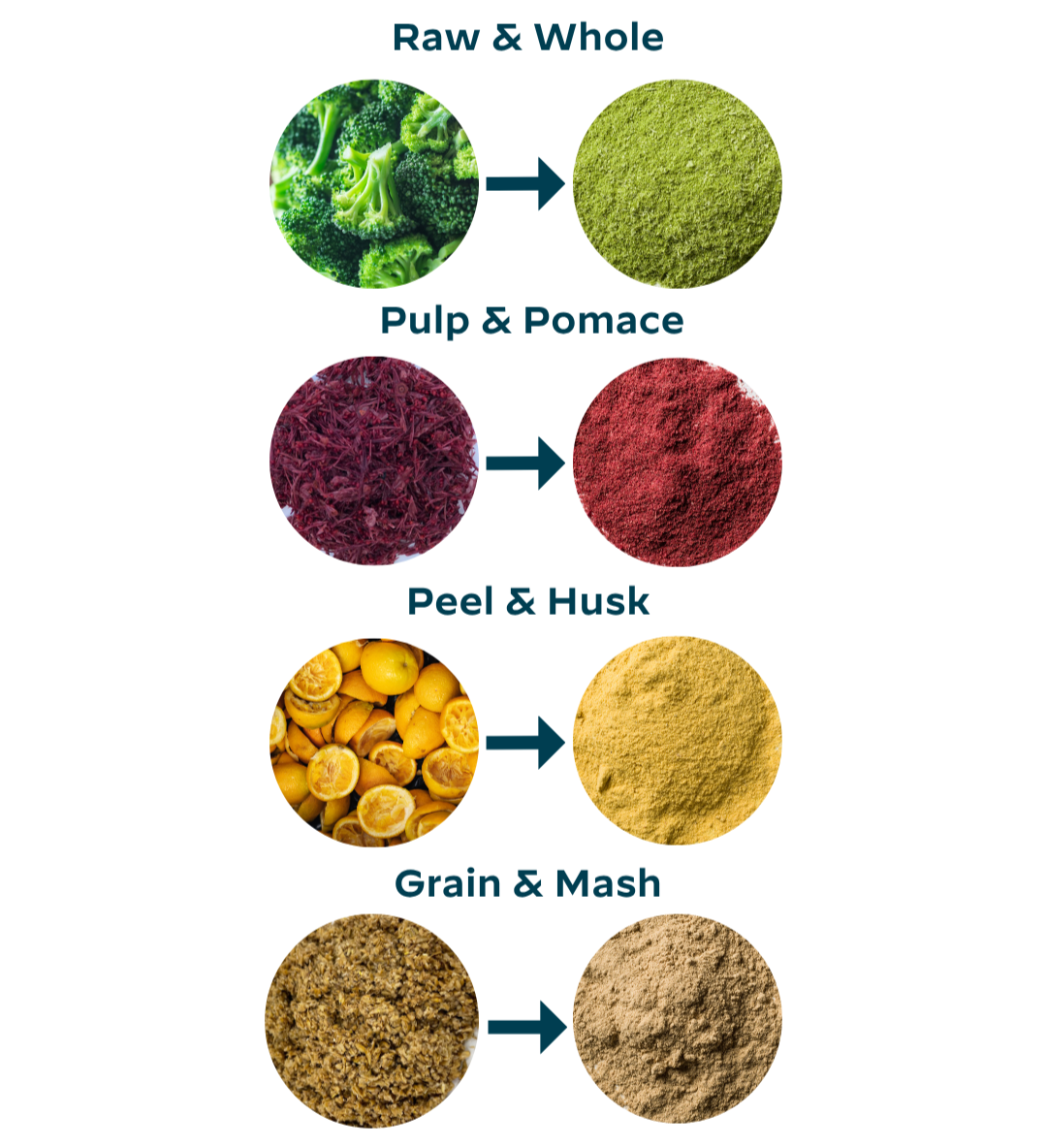
In some applications, this also creates opportunities to recover more usable nutrition from existing processing inputs and side streams — improving ingredient efficiency while reducing material waste.
These powders can help manufacturers:
recover more nutritional value from existing inputs
improve ingredient efficiency
create easier-to-handle functional ingredients for reformulation efforts
The Direction the Industry Is Moving
As eating patterns evolve, food manufacturers are under growing pressure to deliver more nutrition in smaller formats.
That shift is influencing everything from ingredient selection to formulation strategy to processing technology.
For manufacturers, the opportunity lies in creating products that deliver greater nutritional impact while making better use of existing ingredients and production systems.
If you’re exploring ways to improve nutrient retention, ingredient efficiency, or powder functionality within your manufacturing process, GTF Technologies can help transform raw materials into high-value, functional ingredients.