
Modernizing Food Drying Systems Without Disrupting Production
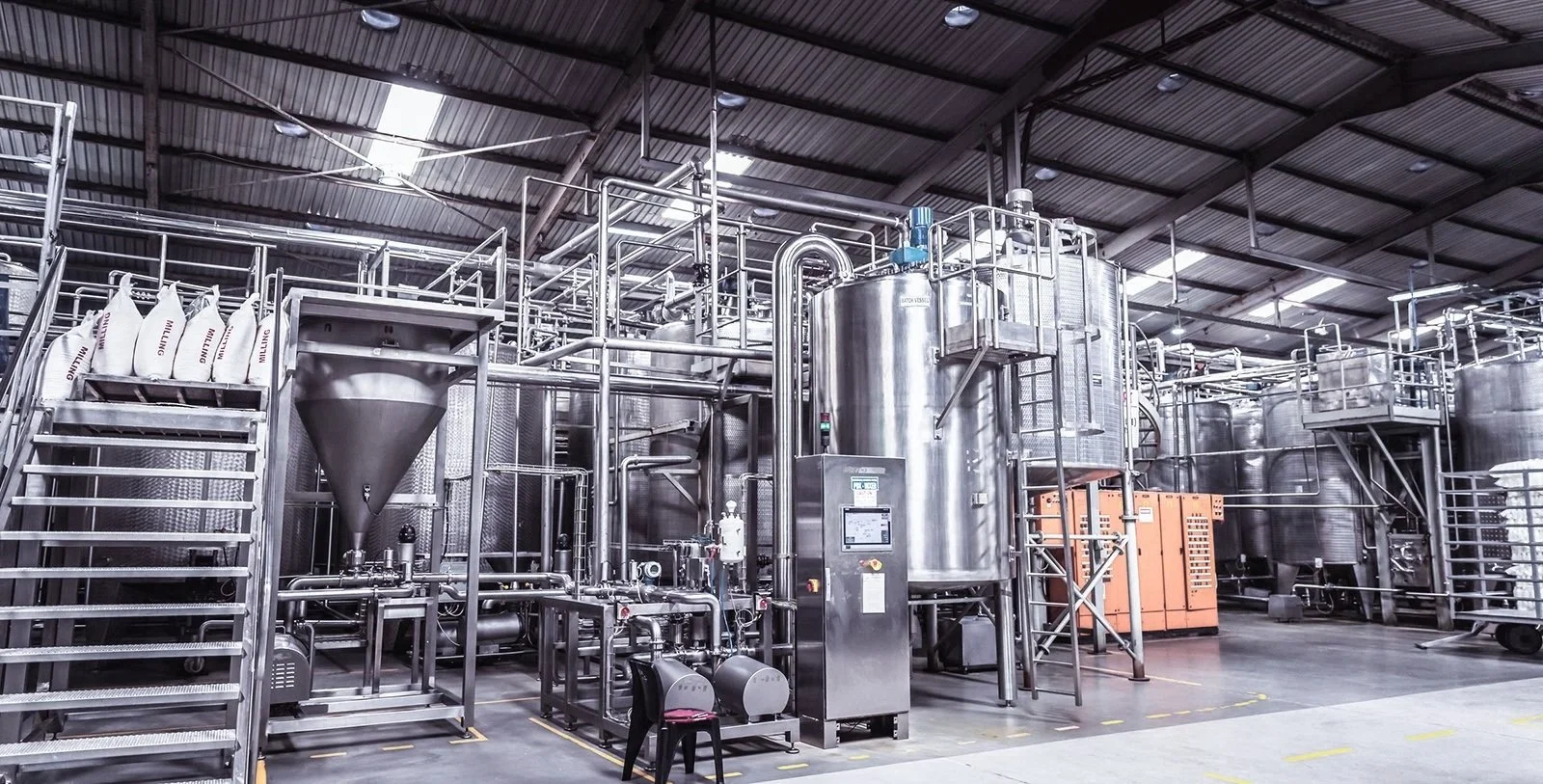
How can you upgrade industrial drying systems without downtime?
Manufacturers can reduce downtime by installing new systems in parallel, validating performance before full production, and using a phased, modular approach to transition capacity.
Industrial food drying systems are the backbone of production—but they can also become bottlenecks. As demand grows and product specs tighten, legacy equipment may limit throughput, product quality, and operational efficiency.
Upgrading these systems carries risk. Even brief downtime can lead to missed orders, lost revenue, and delayed ROI. For operations, engineering, and plant management leaders, modernization isn’t just about equipment — it’s about protecting production and maximizing ROI.
The good news: modernization can be done safely, without halting production, when approached strategically. Upgrading industrial drying systems isn’t just a technical challenge — it’s an operational one.
Strategic Approaches to Risk-Managed Modernization
Modernization works best as a phased, modular process rather than a full overhaul. Incremental upgrades reduce operational risk, give teams control over production efficiency, and protect ROI.
Reduce Risk with Parallel Validation
One of the most effective ways reduce downtime during a drying equipment upgrade is to validate new capacity before it ever carries critical production.
Compact, standalone systems make this possible. Instead of waiting for a full switchover, new equipment can often be installed alongside existing processing lines, allowing teams to test performance, dial in operating parameters, and build confidence early.
In many cases, modular system designs make it possible to start small — validating performance with a single unit before expanding capacity over time. This approach shifts commissioning from a pressure-filled event to a controlled process.
Leveraging Side Streams for Early Testing
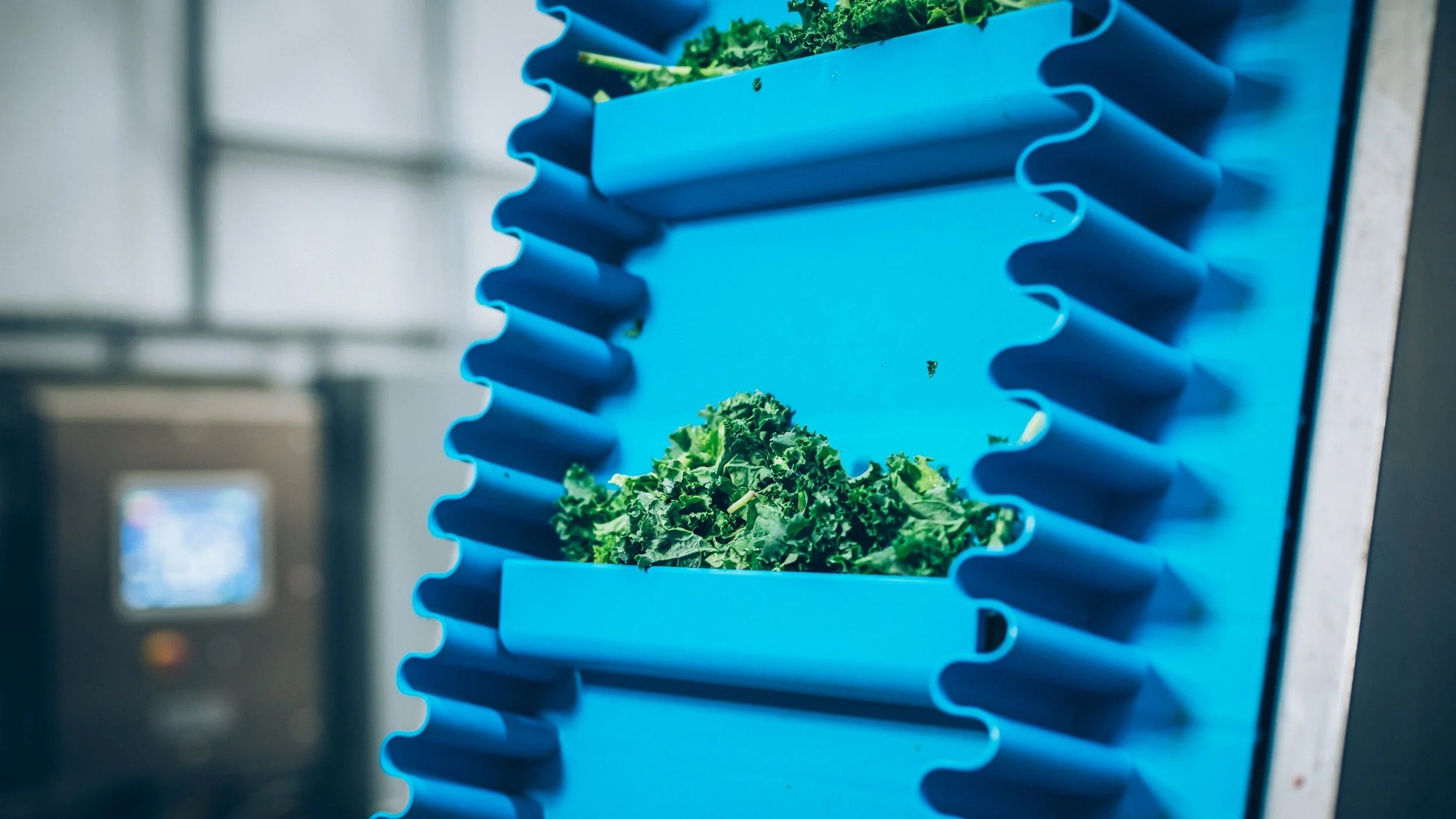
Side streams—or non-critical materials like byproducts—offer a low-risk way to validate new systems. By utilizing side streams or co-products, you can expect:
Accurate performance data without impacting core production
Operators getting hands-on experience in live conditions
Early ROI and, in many cases, a meaningful revenue source
But side-stream processing in food manufacturing isn’t just a low-risk way to validate new drying capacity — it’s often a high-value solution in its own right.
Many manufacturers are turning food byproducts into shelf-stable, functional ingredients — unlocking new revenue streams while reducing waste. This approach to food waste upcycling allows teams to generate ROI without disrupting existing production lines. For companies looking to expand further, this creates a natural pathway to broader modernization—without added risk.
Plan for the “Messy Middle” of Equipment Upgrades
Even with parallel validation, there’s often a period where neither the old nor new system is running at full capacity, and maintaining throughput is critical during modernization.
Common strategies to avoid downtime include:
Building short-term inventory buffers
Temporarily redistributing production loads, or
Leveraging external processing if needed
Carefully scheduling production to meet customer commitments
A smooth transition doesn’t happen by accident — it’s intentionally managed.
Rethinking the Cutover: Reduce Risk at the Critical Moment
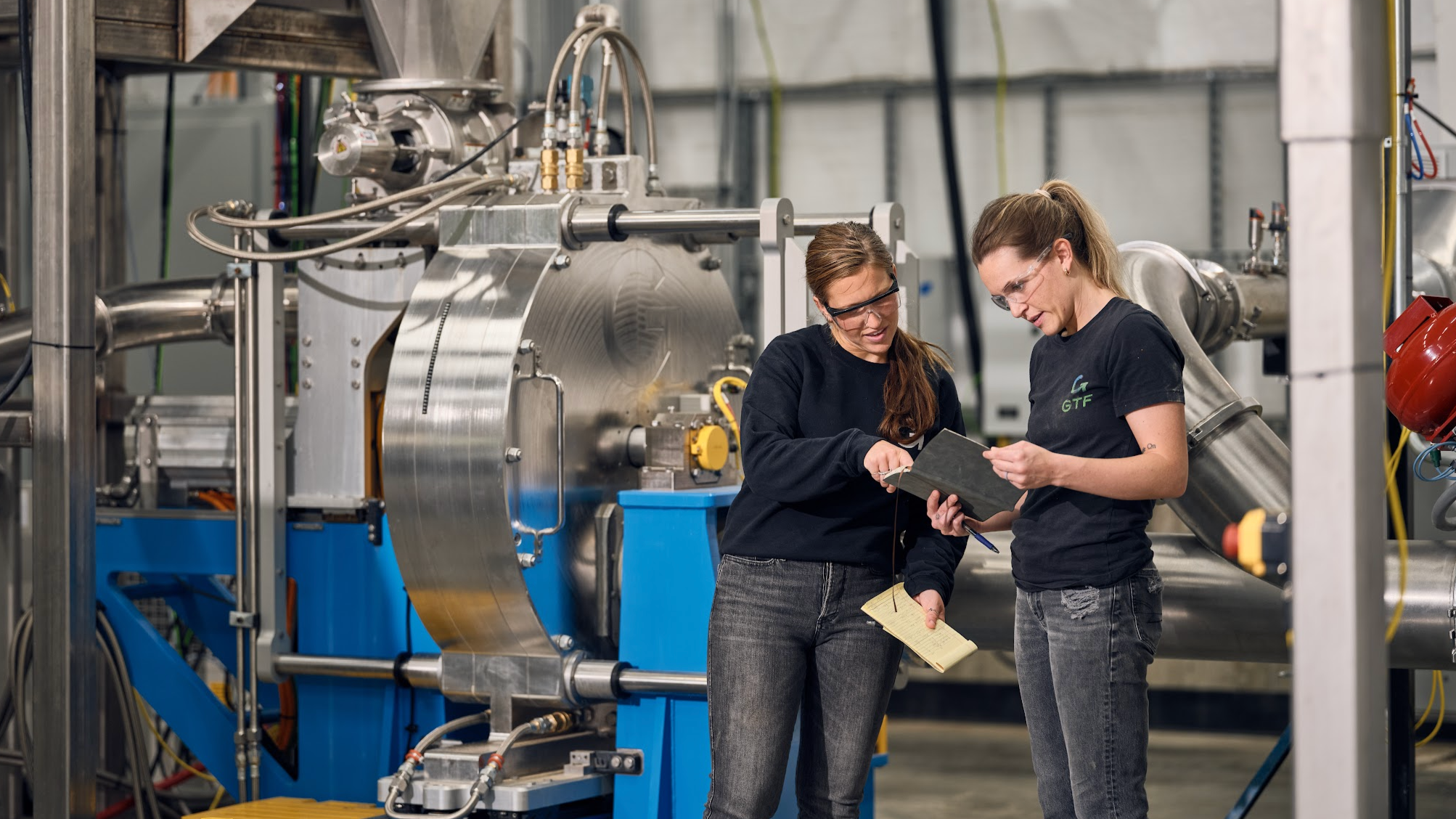
At some point, every upgrade requires a shift from the old system to the new one. Startup is where performance meets reality. Commissioning—including testing, calibration, training, and verification—ensures systems perform as intended from day one.
Traditional approaches often treat cutover as a leap of faith: install the system, commission under pressure, and hope everything performs as expected.
A lower-risk approach looks very different:
Systems are installed and run in parallel where possible
Side-streams are used during commissioning to refine processes
Performance is proven before full production use
Operators are trained in advance, then in real conditions
The result is a controlled transition—where the switch to new equipment is planned, predictable, and far less disruptive.
How GTF’s RENU™ Systems Support Modernization
Modern drying solutions are making low-risk upgrades more achievable.
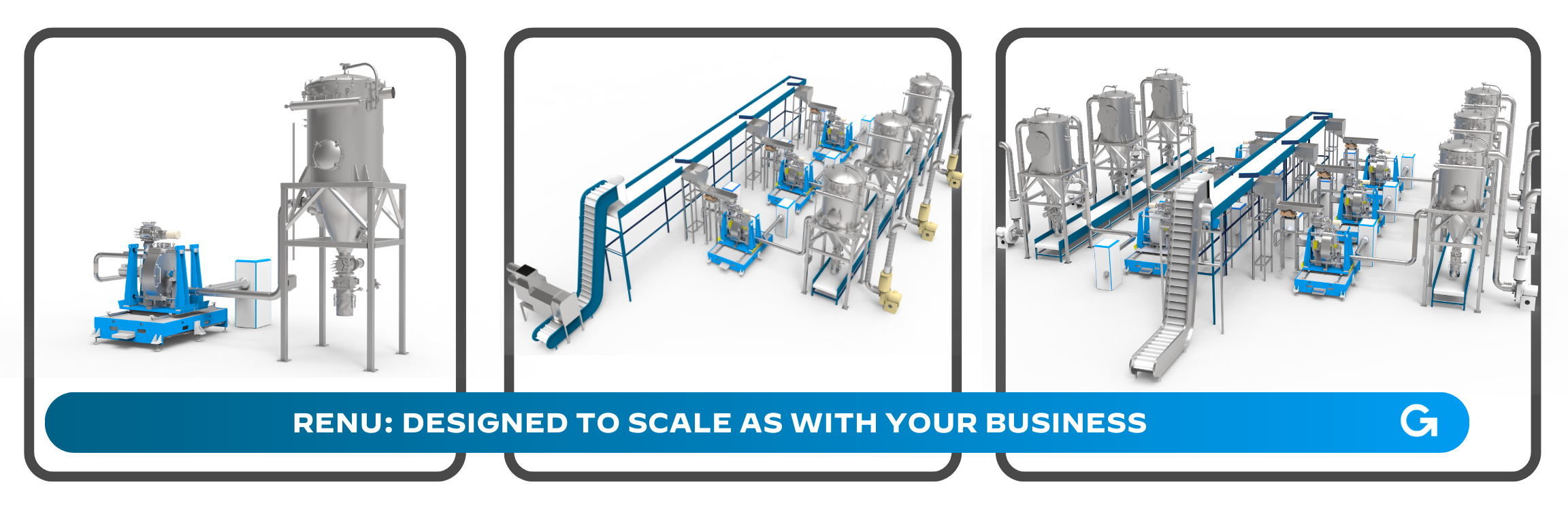
For example, the compact GTF RENU™ Drying & Milling System can be installed within existing facilities — usually in less than 400 square feet — and operate alongside current processing equipment. Because they function independently, they can begin delivering value immediately by processing side streams, while teams gain hands-on experience and confidence. For many facilities, processing byproducts remains the primary use case — unlocking new revenue streams, reducing waste, and enabling product innovation without requiring changes to existing production lines.
And because RENU is modular, manufacturers can start with a single system to validate throughput and performance, then scale over time -- adding capacity or replacing legacy equipment as needs evolve.
Successful implementation also depends on execution. Working closely with plant teams to plan installation, support commissioning, and train operators ensures that every phase of the upgrade is managed with minimal disruption.
Modernization Without Disruption Is Possible
Upgrading drying capacity will always involve change — but it doesn’t have to disrupt production.
With phased implementation, pilot validation, and smart use of side streams, operations and engineering leaders can:
Improve throughput
Maintain product quality
Unlock new revenue streams from side streams
Protect production ROI
Modernization, done right, is a controlled step forward—not a disruption.
Planning a drying system upgrade?
Our team works closely with food manufacturers to design, install, and scale drying capacity with minimal disruption—helping you reduce risk and protect production ROI at every stage.