
What to Evaluate Before Replacing Your Industrial Food Drying System
Before you invest in a new dryer, evaluate the full process—not just the equipment.
Upgrading Intelligently, Not Impulsively
In previous blogs, we’ve explored several stages of the drying technology decision process—from recognizing operational issues that signal it may be time for an upgrade, to the role of pilot testing in reducing risk, and what early return on investment can look like after installation.
Before replacing a drying system, there’s another critical step that often receives less attention: evaluating the broader process environment in which the equipment will operate. Upgrading a dryer isn’t simply about choosing a newer machine. The most successful projects begin with a thoughtful process evaluation for dryer replacement, considering utilities, process integration, throughput requirements, and future production goals. Taking this broader view helps ensure the new system delivers the performance—and long-term value—you expect.
If you’re beginning to evaluate a potential upgrade, our Food Drying Efficiency Checklist can help identify key factors such as energy costs, side-stream disposal, labor requirements, and downtime allowances.
Utility Requirements: Power, Airflow, and Infrastructure
One of the first considerations in selecting a new dryer is whether your facility can support its utility demands. Traditional systems often require steam or gas, which can add complexity and cost to installation and require compliance with gas regulations in some areas.
GTF’s RENU™ Drying & Milling System, is an all-electric industrial dryer, eliminating the need for natural gas or a boiler system. This simplifies integration with existing utilities and reduces operational complexity. With electric power, energy usage is more efficient, predictable, and easier to monitor.
For technical details on RENU’s dimensions, electrical requirements, and feed rates, see the RENU Spec Sheet.
Integration with Upstream and Downstream Equipment
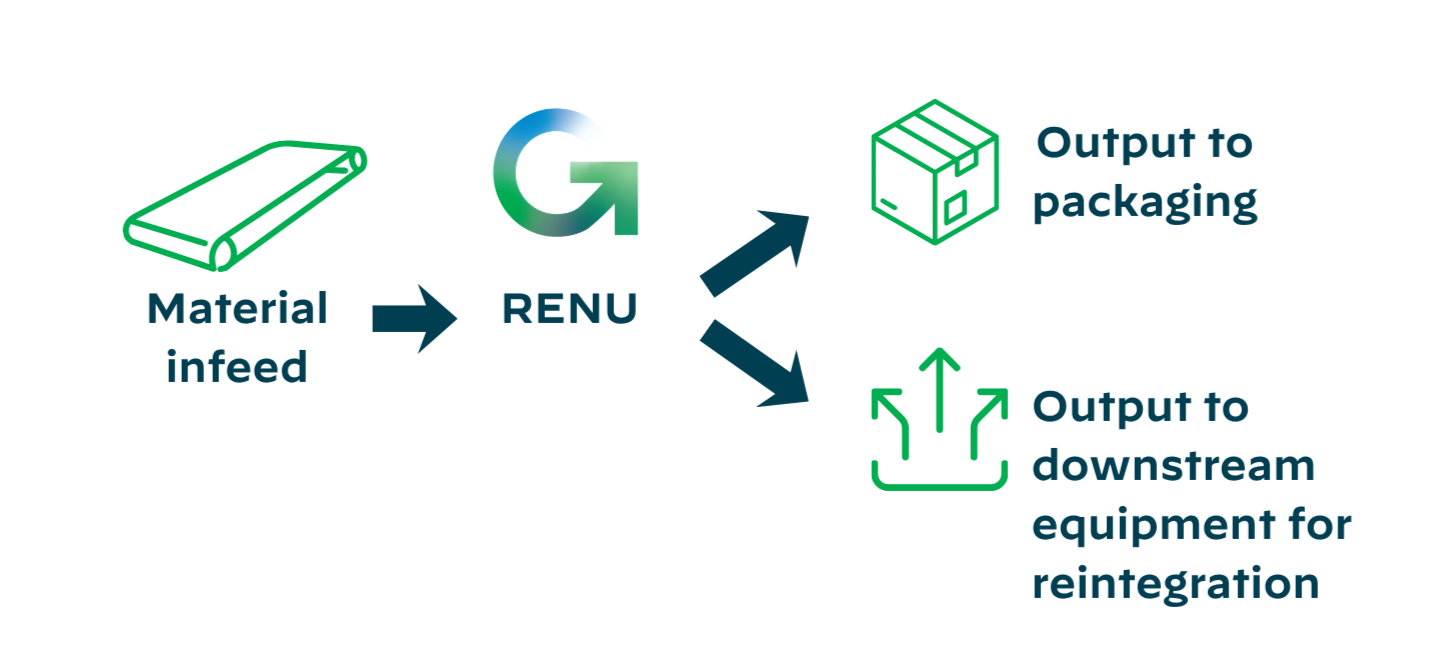
A drying system rarely functions in isolation — its performance depends on how well it fits within the full production line.
Consider:
How material enters the system (conveyors, feeders, pumps)
Feed consistency: particle size, moisture, or temperature requirements
How dried material is discharged and transported downstream
Optimizing the entire flow of material often has a greater impact on throughput than the dryer itself. RENU’s modular design and configurable input/output feed rates allow it to integrate smoothly with existing conveyors, feeders, or other processing equipment. This flexibility ensures that the dryer complements the overall production line rather than creating new challenges.
Throughput Modeling and Production Targets
Sizing a drying system around average production can lead to over- or under-performance. Accurate throughput modeling considers variability in feedstock moisture, seasonal production changes, and growth projections.
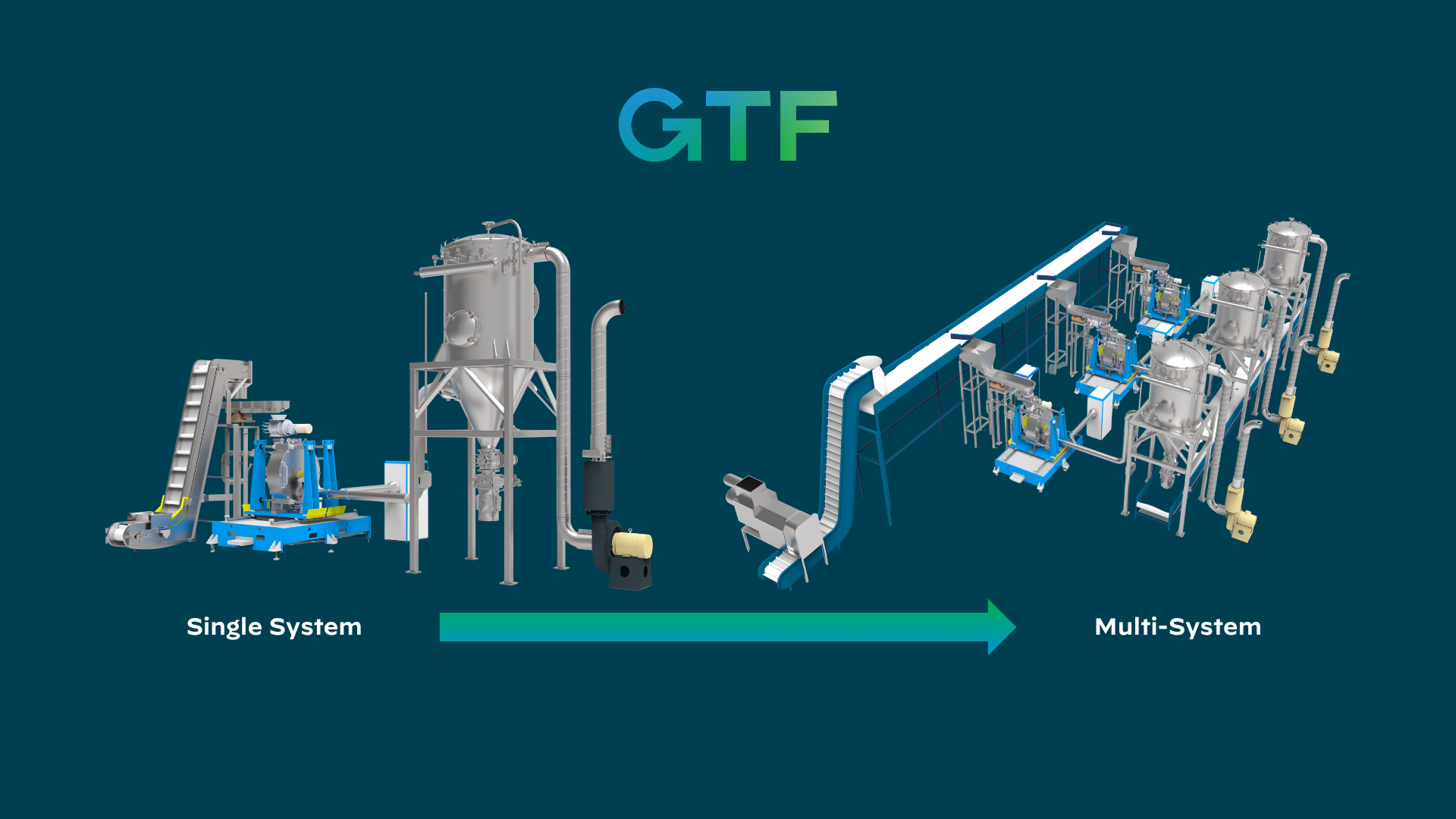
RENU supports a wide range of feed rates and conveyance options and uses precise, product-specific drying “recipes” developed for each material. This ensures predictable drying times and consistent product quality across runs. Its modular, scalable design allows additional units to be added as production needs to grow, making it easy to align system capacity with actual throughput requirements without oversizing the initial installation. This flexibility also simplifies future expansion—plants can increase capacity incrementally while maintaining consistent performance.
Product Flexibility and Future Needs
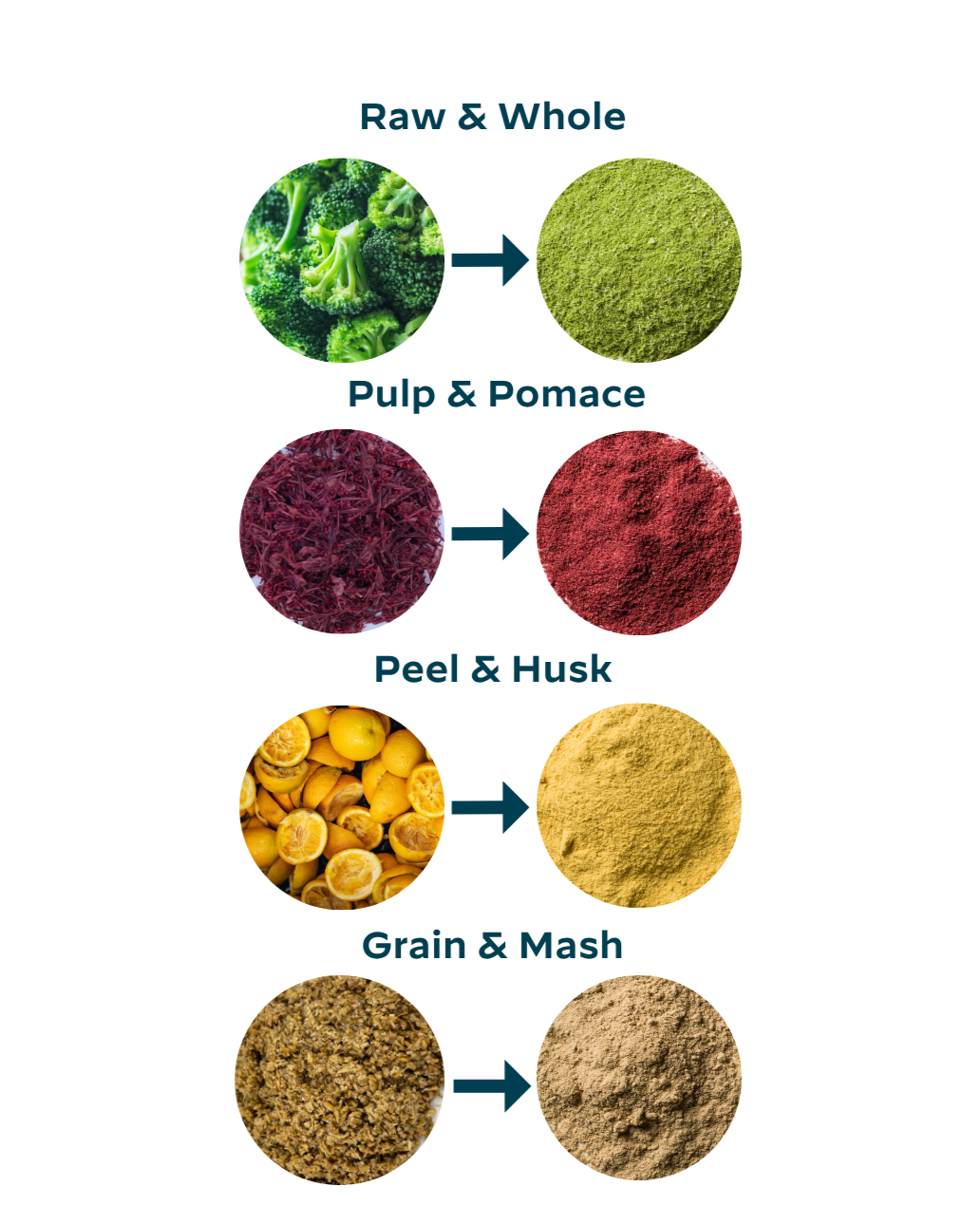
Operations evolve, and the ability to dry multiple products efficiently is key. Systems that can only handle a single formulation may limit your production options or require costly equipment replacements.
Part of your evaluation process should include:
Ability to handle multiple feedstocks
Required moisture ranges or viscosities
Support for future product development or pilot trials
Cleaning or changeover requirements for different materials
RENU accommodates multiple feedstocks and moisture ranges, with quick changeover and easy cleaning between runs, including CIP. Combined with the product-specific recipes, this flexibility extends equipment life and supports innovation, ensuring your investment remains relevant as your production needs change.
Data, Monitoring, and Control
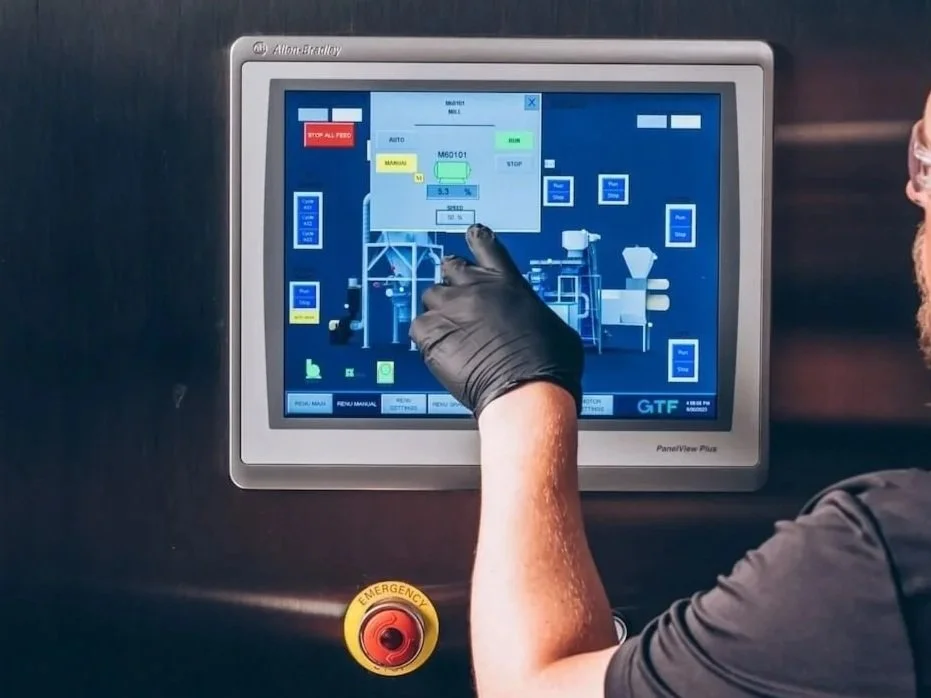
Modern drying systems provide more than heat — they provide insight. Real-time monitoring of temperature, airflow, and moisture allows operators to identify trends, detect anomalies, and optimize process performance.
RENU includes advanced control capabilities with one-touch interface, giving operators greater visibility and control over the drying process. With actionable data at hand, teams can improve consistency, reduce downtime, and make informed operational decisions.
Byproducts, Side Streams, and Disposal Costs
When evaluating a potential industrial food drying system upgrade, it’s also important to look beyond the primary product and consider how byproducts or side streams are currently handled.
Many food processing operations generate materials that are either discarded or transported off-site for disposal. These streams can carry hidden costs, including:
Transportation and hauling
Landfill or disposal fees
Labor for handling and staging
Lost value from materials that could potentially be recovered
RENU drying technology can transform side streams into stable, usable ingredients or secondary products, reducing disposal costs and opening new opportunities for value creation.
A full process evaluation should therefore consider how drying might impact the entire material flow, not just the primary product line.
Pilot Testing and Validation
Even after careful evaluation, assumptions must be validated under real-world conditions. With GTF, testing typically happens in two stages:
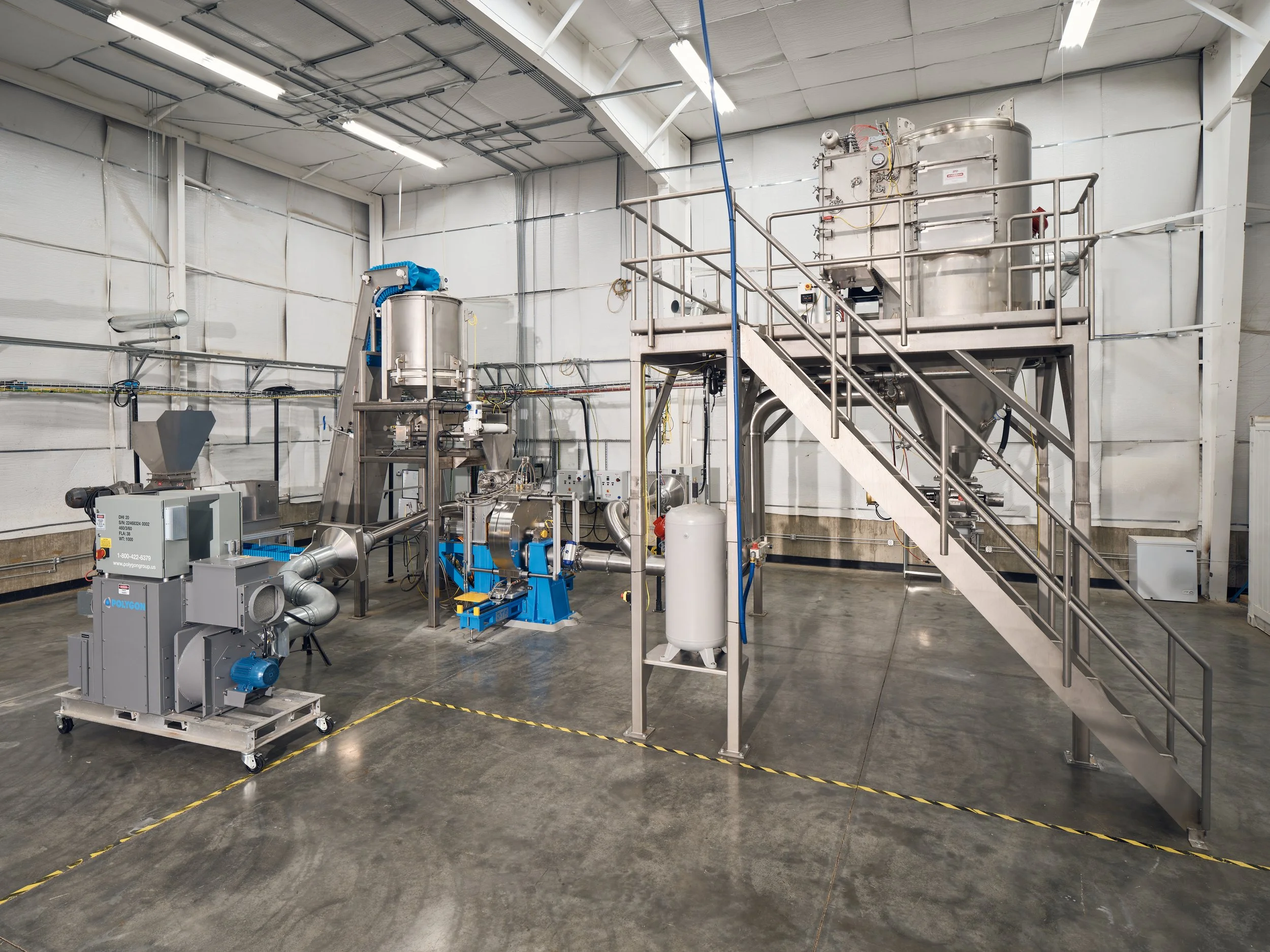
Material Evaluation and Sample Testing at GTF’s R&D Center – Smaller-scale testing helps determine how your specific feedstocks respond to drying. This provides early insight into moisture reduction, flow characteristics, and potential challenges, without committing production resources.
Pilot System at the Customer Facility – Once material behavior is understood, a pilot system installed on-site allows operators to fully test throughput, integration with upstream/downstream equipment, and operational workflows.
RENU’s modular, scalable design makes it easy to translate learnings from pilot tests into full-scale operation, so plants can confidently scale up while maintaining consistent product quality and efficiency.
Conclusion: Process Evaluation First, Equipment Second
Replacing a food drying system is more than just selecting new equipment — it’s a process engineering decision. Evaluating utilities, integration, throughput, flexibility, and control capabilities early ensures the system aligns with your operational goals and long-term performance expectations.
From there, GTF can help with material evaluation and powder samples at our R&D Center, followed by an on-site pilot system that validates performance in your facility. Together, these steps reduce risk, build confidence, and provide a clear path to scalable, reliable production.
By taking this structured, process-focused approach, your dryer upgrade can deliver consistent quality, optimized throughput, and operational efficiency—turning a necessary equipment replacement into a strategic investment.
Contact GTF today to get started… and download our Food Drying Efficiency Checklist to begin the evaluation process.
