
What defines a high-quality powder ingredient?
Beyond Moisture Content
When evaluating a food powder, moisture content is often the first specification people consider. And for good reason—moisture plays an important role in shelf life, stability, and food safety.
However, while moisture content is critical, the processing conditions that create a powder also influence its final characteristics. These are addressed in a previous blog.
Then, the real test comes after the powder leaves the dryer. Will it flow consistently through processing equipment? Blend evenly with other ingredients? Maintain its color, flavor, and functionality? Will it perform the same way from one production run to the next?
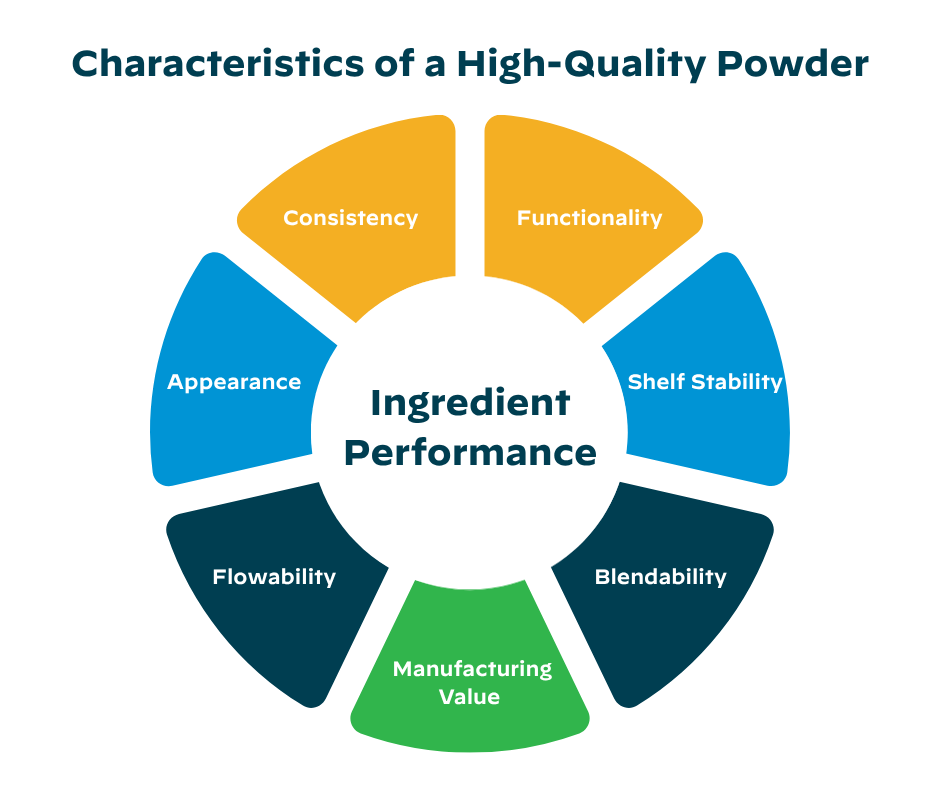
For food manufacturers, a high-quality powder isn't simply one that's dry—it's one that performs reliably throughout the manufacturing process. Here are seven characteristics worth evaluating.
1. Consistency: The Foundation of Reliable Manufacturing
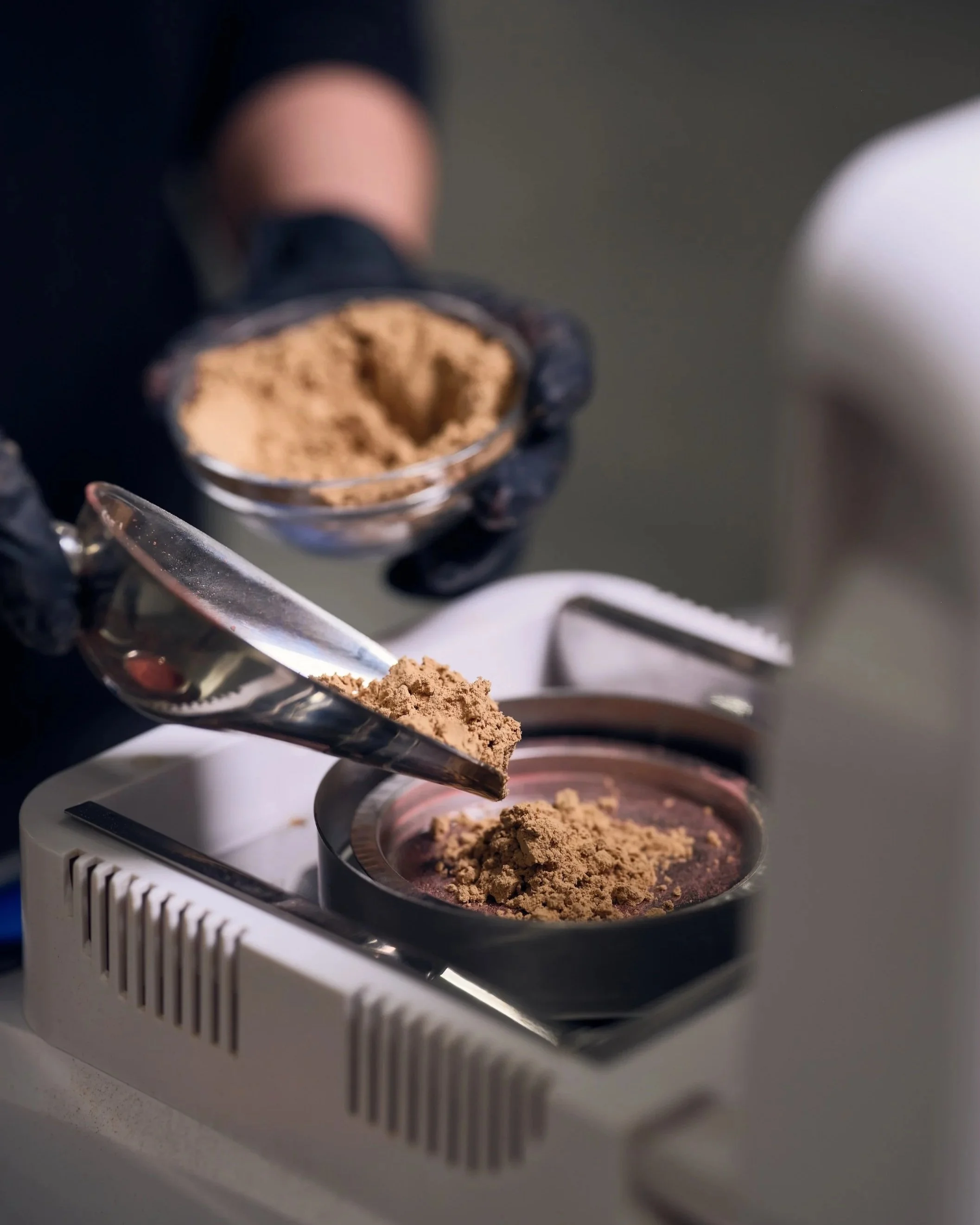
Consistency is one of the most valuable characteristics a food ingredient can offer. Regardless of where it enters the production process, a powder should perform predictably every time it's used.
When powder characteristics vary from batch to batch, the effects ripple throughout production. Formulations may require adjustment, quality checks become more frequent, and production teams spend valuable time compensating for variability instead of producing product.
Consistent ingredients help create consistent products.
That means predictable moisture levels, uniform particle characteristics, repeatable color, and dependable functionality—allowing production teams to focus on efficiency rather than troubleshooting.
In manufacturing, consistency isn't simply a quality metric. It's a productivity advantage.
2. Flowability: Keeping Production Moving
A powder may meet every laboratory specification and still create problems on the production floor.
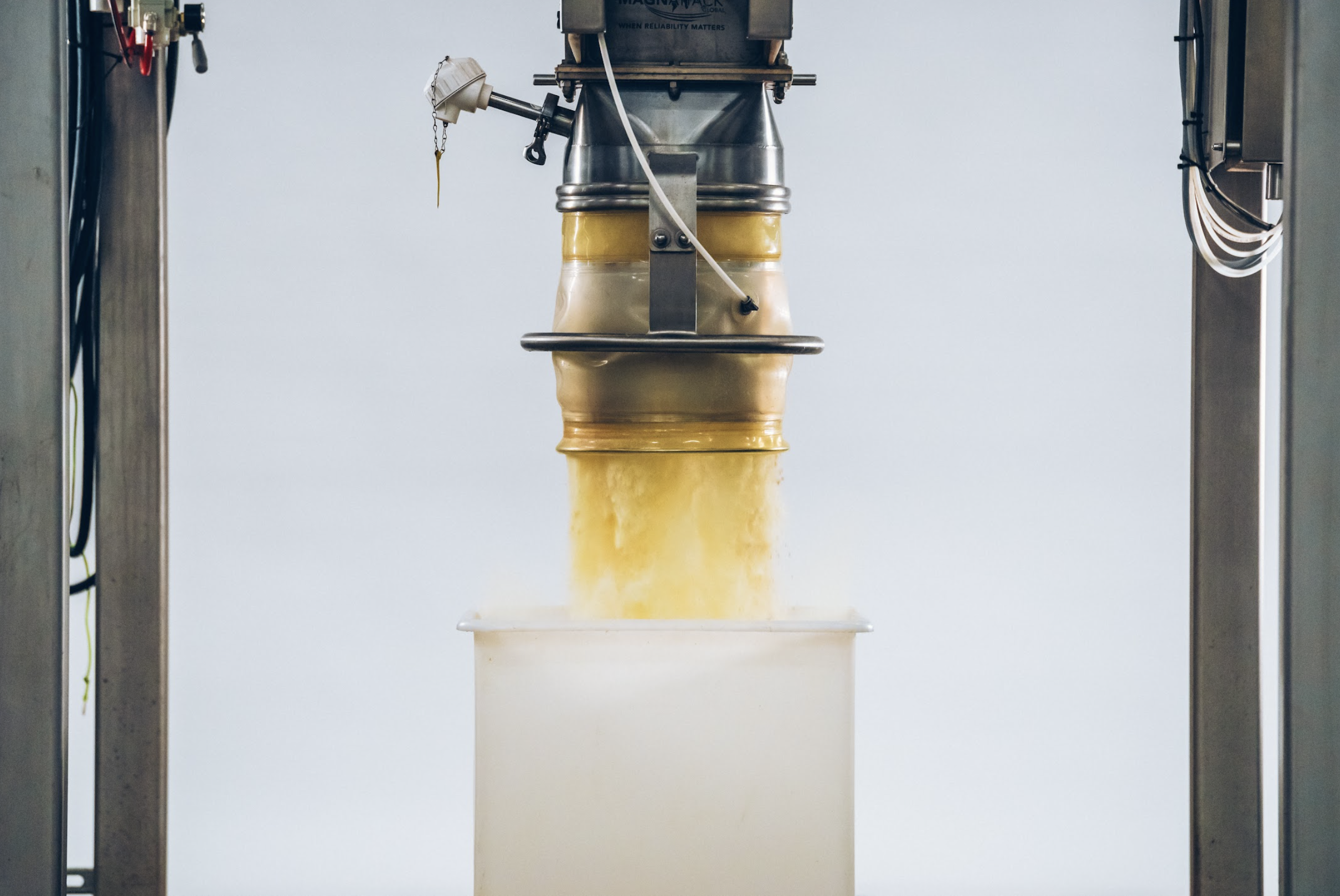
Poor-flowing powders can bridge in hoppers, cling to equipment surfaces, or feed inconsistently into downstream processes. These seemingly small issues often lead to production interruptions, inaccurate filling, and unnecessary operator intervention.
Good flowability helps powders move predictably through conveying systems, feeders, mixers, and packaging equipment.
For manufacturers, that translates into smoother production, fewer stoppages, and greater confidence that every batch will perform as expected.
3. Blendability: Uniform Products Start with Uniform Ingredients
Many food powders are only one component of a larger formulation.
Whether producing a protein blend, seasoning mix, soup base, bakery premix, or nutritional product, manufacturers rely on ingredients that disperse evenly throughout the mix.
Powders that segregate during handling or mixing can create inconsistent finished products, affecting flavor, nutrition, appearance, and product performance.
A high-quality powder should integrate naturally into the manufacturing process, helping create uniform products without requiring excessive mixing or rework.
4. Functional Performance: Designed for the End Application
Not every powder is expected to do the same job.
Some ingredients must disperse quickly in beverages. Others need to provide natural color, contribute fiber, retain flavor, or deliver specific nutritional benefits. Some serve as functional ingredients, while others replace fresh materials in manufacturing.
The definition of "high quality" depends on how the ingredient will ultimately be used.
A powder intended for a ready-to-drink beverage has different performance requirements than one used in baked goods or snack seasonings. Understanding those end-use expectations is just as important as meeting basic physical specifications.
The best powders are engineered with the final application in mind.
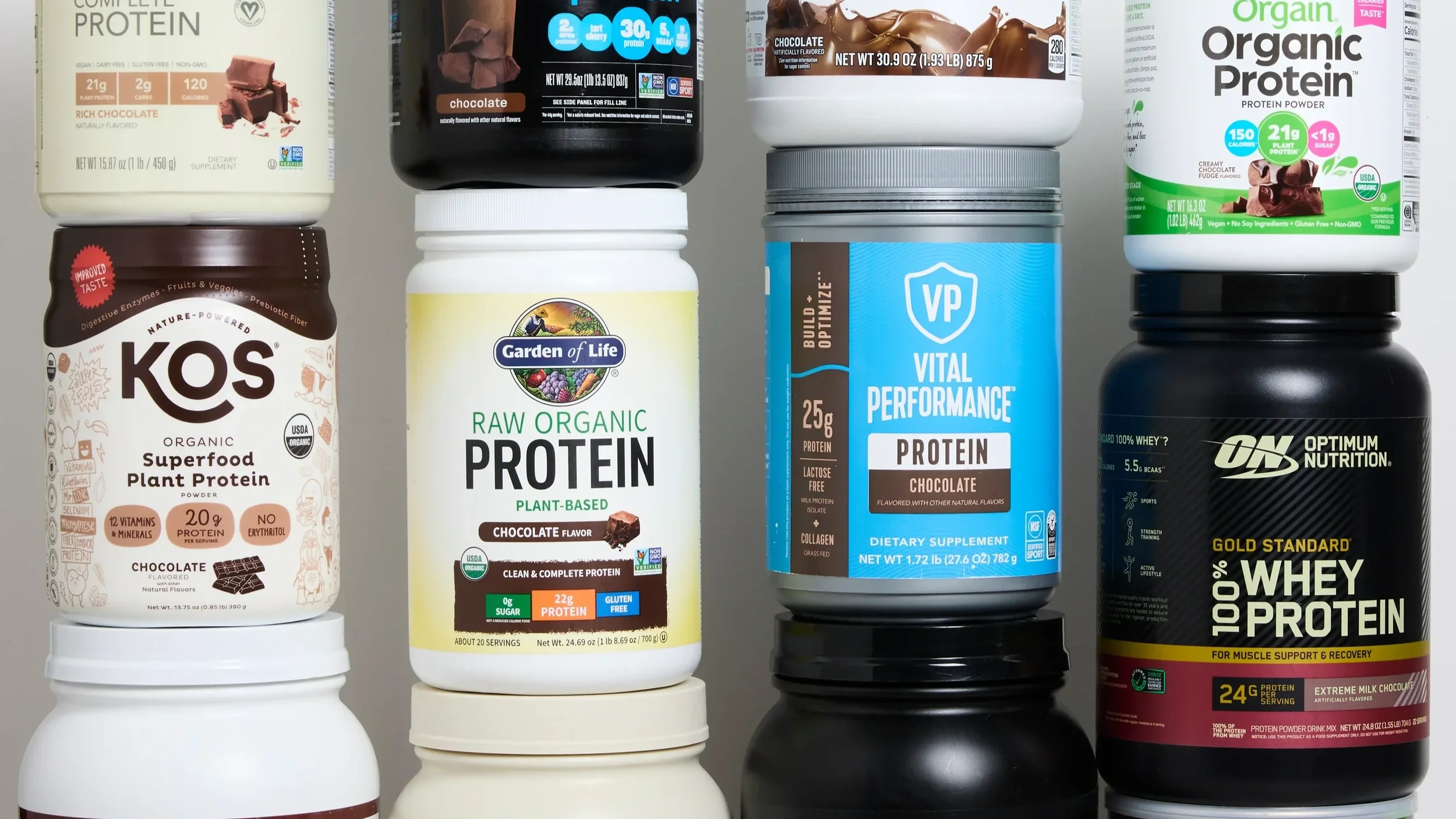

5. Shelf Stability: Maintaining Quality Over Time
A powder's performance shouldn't change dramatically after it leaves the production line.
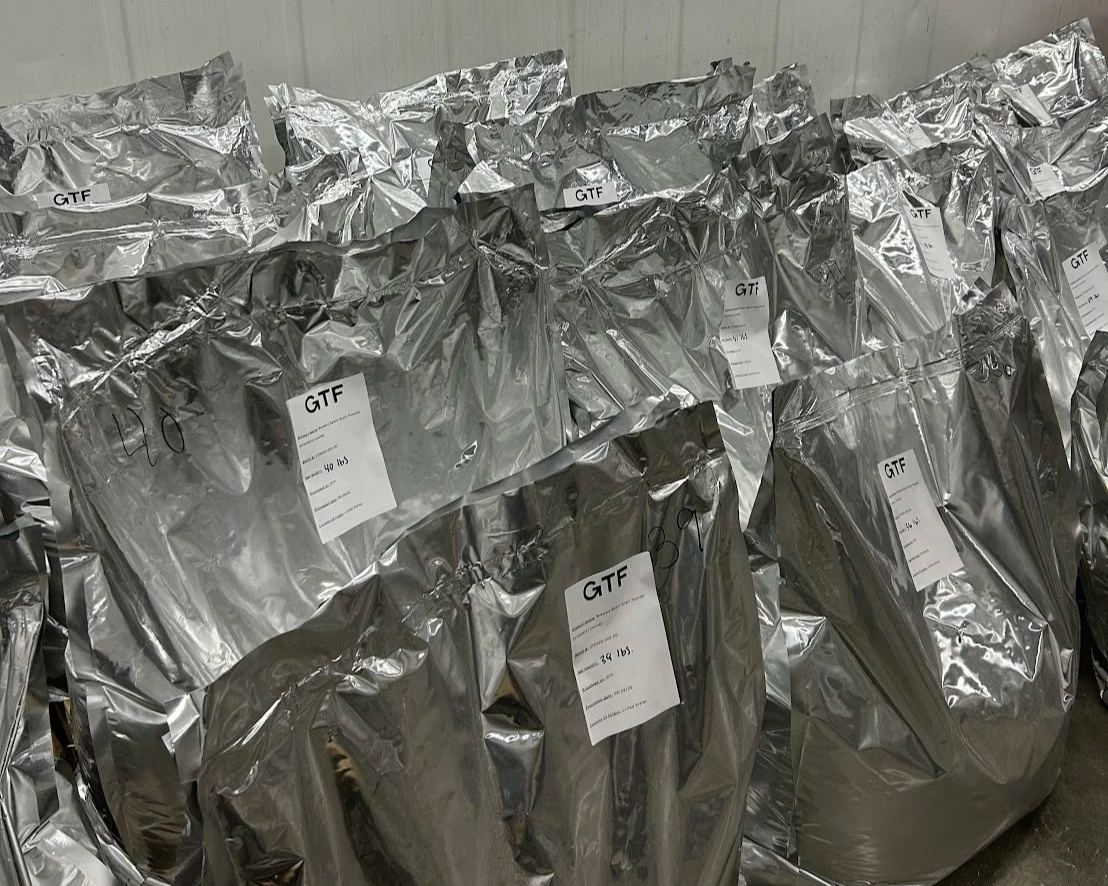
Manufacturers expect ingredients to maintain their quality during storage, transportation, and normal handling conditions. Stability affects everything from inventory management to customer satisfaction.
When evaluating a powder, consider questions such as:
Does it remain free-flowing during storage?
Does it resist clumping?
Does it maintain its appearance?
Will it perform consistently weeks or months after production?
Shelf stability isn't determined by moisture content alone. Packaging, storage conditions, ingredient composition, and powder characteristics all contribute to long-term performance.
6. Appearance Matters More Than You Might Think
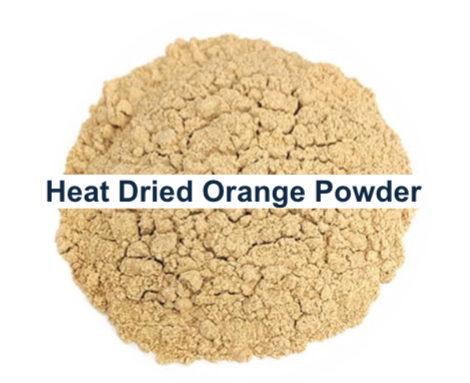
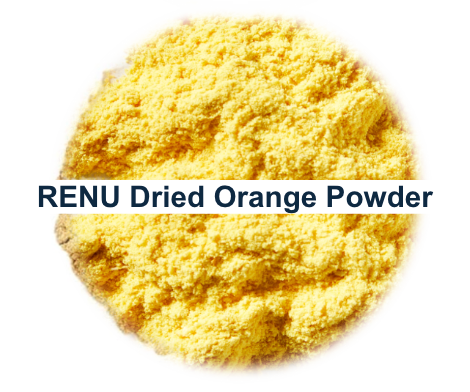
Before a powder is tested in the lab or incorporated into a finished product, it's often evaluated visually.
Color, texture, and uniformity can influence perceptions of quality, particularly for natural fruit, vegetable, and plant-based ingredients.
A vibrant cranberry powder, for example, immediately communicates something different than one that appears dull or uneven. Likewise, consistent particle appearance can signal a well-controlled manufacturing process.
While appearance is only one aspect of quality, it often shapes first impressions and can be an important consideration for brands using powders as visible ingredients.
7. Manufacturing Performance: Does the Ingredient Make Production Easier?
Ultimately, a high-quality powder should do more than meet specifications—it should make manufacturing more efficient.
Reliable ingredients reduce variability, minimize production interruptions, simplify quality control, and help manufacturers produce consistent products at scale.
When evaluating a powder, it's worth asking:
Does it process smoothly?
Does it integrate easily into existing production lines?
Does it consistently meet specifications?
Will it support future product development?
The answers to these questions often determine whether an ingredient creates value in the long run.
Powder Quality Begins Long Before the Powder Is Finished
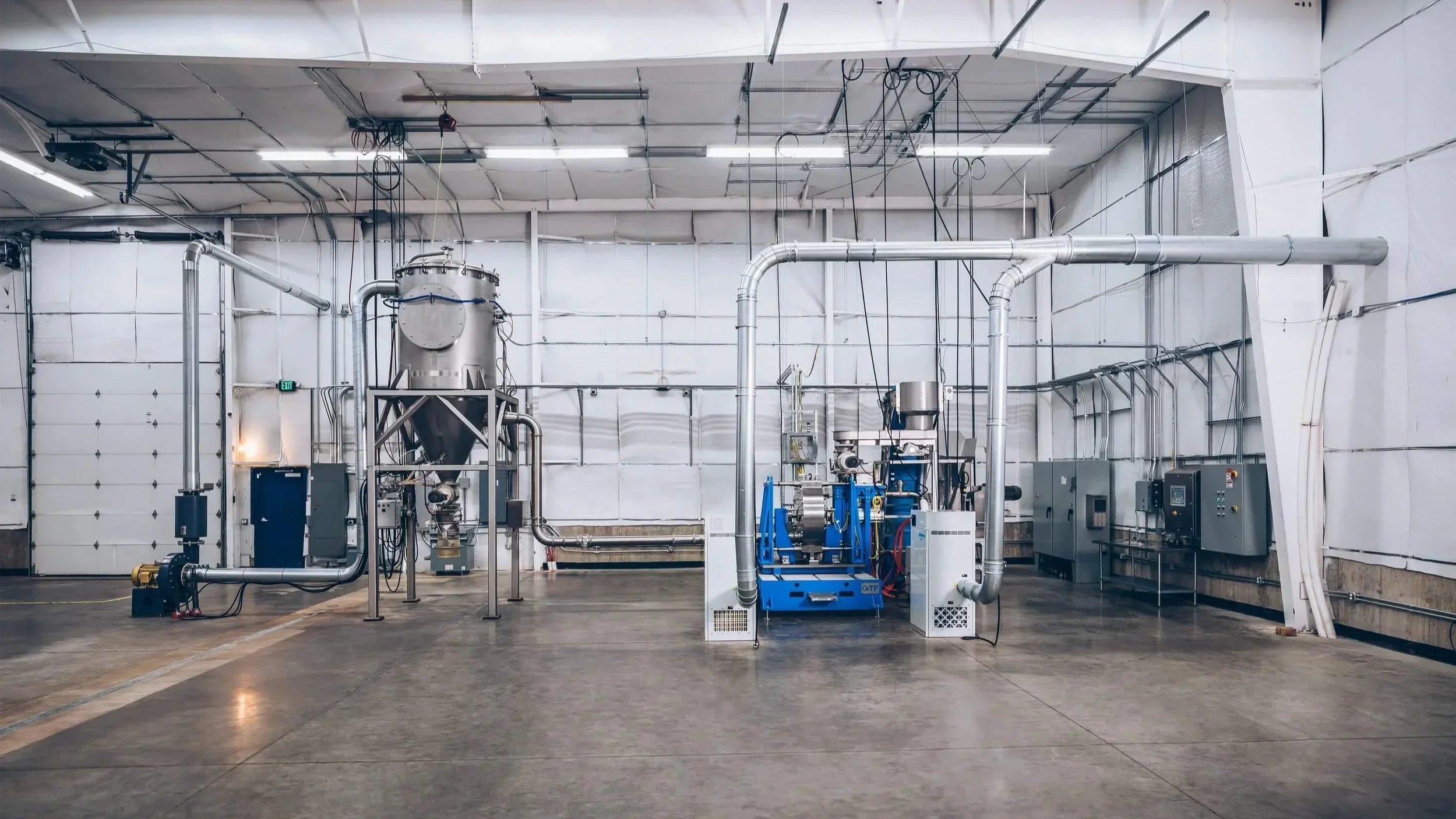
Although these characteristics are evaluated after a powder is produced, they don't happen by chance.
They are shaped throughout the processing journey—from raw material selection and stabilization to drying, milling, and process control.
In a previous article, we explored how factors such as residence time, particle control, and process intensity influence ingredient quality. Those processing decisions ultimately affect the characteristics manufacturers care about most: consistency, functionality, flowability, and overall manufacturing performance.
As food manufacturers continue developing premium ingredients, cleaner-label products, and innovative uses for food side streams, powder quality is becoming an increasingly important competitive advantage.
Because in today's manufacturing environment, success isn't measured by how dry a powder is.
It's measured by how well that ingredient performs—from receiving and storage to blending, packaging, and the finished product.
Every material has unique performance characteristics—and understanding them is the first step toward producing a high-quality ingredient.
Interested in evaluating a new ingredient or food byproduct? Learn more about GTF's Material Evaluation process and production-scale Sample Runs to determine how your material performs before full-scale implementation.